

If you’ve ever squeezed or brushed against a breakout and noticed a thin, watery fluid, you’ve probably asked: what is the clear liquid that comes out of a pimple? In most cases, that clear or slightly pink fluid is a normal part of healing. It’s usually serous fluid (serum and interstitial fluid) from inflamed tissue, sometimes mixed with a tiny amount of blood, rather than a sign of serious infection.
This guide explains what that liquid is, how it differs from pus and blood, what it says about your skin’s healing process, and how to care for a pimple that has leaked or popped. You’ll also find clear signs that suggest infection or a deeper skin issue and when it’s worth seeing a dermatologist.
Quick Answer: What Is the Clear Liquid From a Pimple?
When people ask what is the clear liquid that comes out of a pimple, they’re usually seeing normal wound drainage from an inflamed hair follicle and surrounding skin.
The Short Definition
The clear liquid is mostly serous fluid—a combination of serum and interstitial fluid that bathes your skin cells. If the fluid looks slightly pink or light red, it’s often serosanguinous, meaning clear fluid mixed with a small amount of blood from tiny capillaries disrupted by inflammation or picking.
Why It Appears
Inflammation increases blood flow and fluid in the area. When a pimple opens—whether on its own or after pressure—this fluid drains as part of the body’s normal repair process. Think of it as your skin’s way of flushing the area and delivering immune cells to support healing.
Clear Fluid vs Pus vs Blood
Not all pimple discharge is the same:
- Clear or slightly pink fluid usually indicates serous or serosanguinous drainage and is often normal.
- Thick white, yellow, or green fluid is more likely pus, reflecting a higher concentration of immune cells, bacteria, and debris.
- Bright red blood typically comes from a broken capillary when a pimple is picked or squeezed.
Understanding these differences helps you decide whether a lesion is healing normally or needs closer attention.
How Wound Drainage Shows Up in Pimples
Dermatology and wound-care literature describe several types of drainage. In the context of acne, you’ll mostly encounter serous, serosanguinous, purulent, and sanguineous drainage.
Serous Drainage in Acne
Serous drainage is thin, clear, or slightly yellow and is commonly associated with normal wound healing. In pimples, it commonly appears in the early healing phase after a lesion opens. This type of fluid is mostly water, proteins, and immune factors that support tissue repair.
Serosanguinous Drainage
Serosanguinous drainage looks pink or light red because it mixes clear serous fluid with a small amount of blood. This is common after minor trauma to a pimple, such as gentle pressure or accidental brushing. It’s usually not dangerous on its own.
Purulent Drainage
Purulent discharge tends to be thick and cloudy, ranging from white to yellow or green. It contains a high concentration of white blood cells, bacteria, and cellular debris. In acne, this is what many people recognize as pus. While pus can occur in routine inflammatory acne, thick, foul-smelling purulent discharge with spreading redness may suggest a secondary infection or a different skin condition.
Sanguineous Drainage
Sanguineous drainage is bright red blood from damaged blood vessels. It often appears when a pimple is picked, squeezed aggressively, or scratched. Small amounts are common, but persistent bleeding or large volumes warrant medical attention.
Pimple Fluid at a Glance
| Appearance | Likely type | What it suggests | Typical urgency | What to do next |
| Clear or slightly yellow, thin | Serous | Normal early healing after pimple opens | Low | Gentle cleansing, protect lesion, avoid picking |
| Pink or light red, thin | Serosanguinous | Minor capillary disruption plus serous fluid | Low to moderate | Same as serous; monitor for increasing redness or pain |
| Thick white/yellow/green | Purulent (pus) | Higher inflammation; possible infection if spreading | Moderate to high | Avoid squeezing; watch for red flags; consider dermatology visit if worsening |
| Bright red, flowing | Sanguineous (blood) | Broken capillary from trauma or picking | Moderate | Apply gentle pressure, clean, protect; seek care if bleeding won’t stop |
Common Scenarios: Why Your Pimple Is Leaking Clear Fluid
Understanding why is my pimple leaking clear fluid becomes easier when you map the fluid to real-life situations.
After Popping or Squeezing
Mechanical pressure disrupts the inflamed follicle and surrounding tissue. Serous and serosanguinous fluid then drains as part of the inflammatory response. This doesn’t automatically mean infection; it often reflects normal wound drainage after trauma.
“Blind” Pimples That Start Draining on Their Own
Deep, tender bumps under the skin (often called blind pimples) may eventually release fluid as they come to a head or begin to resolve. The fluid can be clear or slightly pink, especially if the lesion wasn’t fully “ripe” with pus.
Pimples Under a Hydrocolloid Patch
Hydrocolloid pimple patches absorb exudate from the lesion. The white or grayish “gunk” you see on the patch is often a mix of serous fluid, oil, and debris trapped by the adhesive. This appearance can look dramatic but isn’t necessarily a sign of infection.
Morning or Post-Shower Leakage
Warm water and increased blood flow can soften the skin and encourage drainage from an already inflamed lesion. You might notice clear or slightly pink fluid on your pillowcase or after a hot shower, especially if the pimple was already close to the surface.
Typical scenario: A small, inflamed bump leaks clear fluid after a gentle cleanse and light pressure. The surrounding redness is mild and not spreading, and pain is decreasing. This pattern fits normal serous or serosanguinous drainage rather than a serious problem.
Is Clear Fluid From a Pimple Normal or a Sign of Infection?
One of the most common worries behind the question what is the clear liquid that comes out of a pimple is whether it signals infection. Appearance alone rarely tells the whole story; context matters.
When Clear Fluid Is Usually Normal
Clear or slightly pink fluid is usually normal when:
- The amount is small and decreases over a day or two
- Redness is mild and limited to the pimple itself
- Pain is mild and improving, not worsening
- There’s no fever, spreading redness, or thick, foul-smelling discharge
In these cases, the fluid is best understood as part of the skin’s healing process rather than a warning sign.
Signs That Suggest Infection or a Bigger Issue
Consider the possibility of infection or a different skin condition if you notice:
- Thick, opaque yellow or green pus with a bad odor
- Worsening pain, warmth, swelling, or redness that extends beyond the area of the pimple
- A hard, tender lump that doesn’t improve over several days
- Fever, chills, or feeling generally unwell
- Recurrent “pimples” in the same area that don’t heal or leave deep scars
These features suggest more than routine acne inflammation and warrant professional evaluation.
Special Considerations
Some conditions can mimic severe pimples:
- Cystic acne involves deep, painful nodules that may not come to a classic “head.”
- Boils (furuncles) are deeper infections of hair follicles, often caused by bacteria like Staphylococcus aureus.
- Hidradenitis suppurativa causes recurrent, painful lumps and draining tracts in areas like the armpits and groin.
If you’re unsure whether a lesion is a typical pimple or something else, a dermatologist can help clarify the diagnosis and treatment plan.
What to Do If Your Pimple Just Leaked (Step-by-Step Aftercare)
If a pimple is leaking clear fluid rather than pus, or has recently popped, gentle aftercare may help prevent infection and minimize scarring.
Step 1 — Cleanse Gently
Start by washing your hands. Then use a mild, non-stripping cleanser and lukewarm water to clean the area. Pat dry with a clean towel or gauze. Do not scrub the area harshly, as this can cause further irritation and interfere with healing.
Step 2 — Avoid Harsh Actives on Open Skin
Strong acids (like high-percentage glycolic or salicylic acid), retinoids, and alcohol-heavy toners can irritate open lesions. It’s better to keep the immediate area calm and let the skin barrier recover before reintroducing potent actives.
Step 3 — Optional Spot Treatment
If your skin tolerates it, a small amount of benzoyl peroxide or a dermatologist-recommended antiseptic can be applied around the lesion to reduce bacterial load. Avoid aggressively rubbing products into the open wound, which can increase irritation.
Step 4 — Use a Hydrocolloid Patch to Protect the Pimple
A hydrocolloid pimple patch can absorb fluid, create a moist healing environment, and act as a physical barrier against picking and friction. Many people find that patches reduce the temptation to touch the area and may lower the risk of post-inflammatory marks.
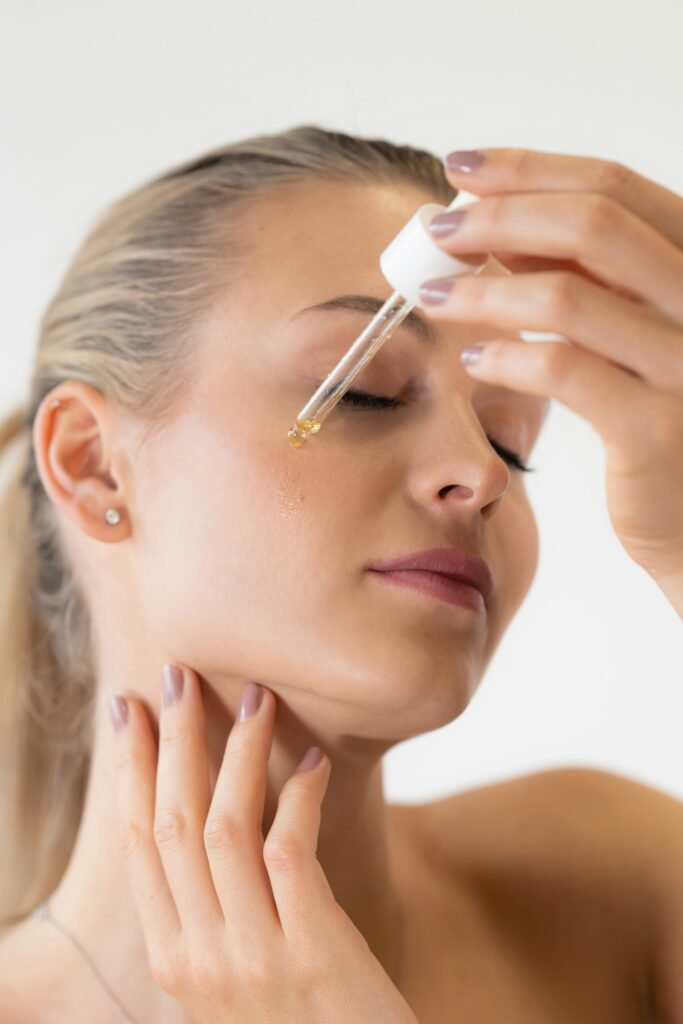
Step 5 — Moisturize and Use Sunscreen
A non-comedogenic moisturizer helps maintain hydration and may reduce tightness or flaking around the healing pimple.
.
Daily broad-spectrum sunscreen is important because inflamed skin is more prone to post-inflammatory hyperpigmentation (PIH), especially in medium to deep skin tones, making sun protection for healing skin important.
What NOT to Do
To protect healing skin:
- Don’t keep squeezing or picking at the lesion.
- Don’t apply undiluted essential oils or harsh home remedies directly to the open area.
- Don’t use rough scrubs or exfoliants on the broken skin.
These habits can prolong inflammation, increase the risk of infection, and raise the likelihood of scarring or dark marks, making proper skin care especially important.
Scarring and Dark Marks: Why Picking Makes It Worse
Repeated trauma to acne lesions is one of the strongest modifiable risk factors for long-term marks and scars. Understanding this connection can motivate gentler habits without resorting to fear-based messaging.
How Picking Increases Risk
By flexing or squeezing, you prolong the inflammatory stage. The longer your skin remains inflamed, the greater the risk for post-inflammatory hyperpigmentation (brown/dark marks) and atrophic and raised scars. Even the clear fluid you might be seeing is a mechanism of injury that can cause scarring.
Who Is at Higher Risk
Some people are more prone to noticeable marks or scars:
- Individuals with medium to deep skin tones, who are more susceptible to PIH
- Those with a personal or family history of keloids or hypertrophic scars
- People with severe, nodulocystic acne or delayed treatment
If you fall into these groups, gentle care and early, effective acne treatment are especially important.
Simple Prevention Habits
To lower scarring and PIH risk:
- Keep hands off active lesions; use hydrocolloid patches as a barrier.
- Treat inflammation early with evidence-based acne therapies.
- Use daily sunscreen to minimize dark mark formation as lesions heal.
These steps won’t guarantee zero marks, but they significantly reduce the odds over time.
When to See a Dermatologist
If you’re still asking what is the clear liquid that comes out of a pimple after reviewing reliable information, let your skin’s behavior guide your next step. Most clear fluid is normal, but certain patterns deserve professional evaluation.
Make an Appointment If…
Consider seeing a dermatologist or other qualified clinician if:
- Lesions are large, deep, very painful, or keep recurring in the same spot
- Redness, warmth, or swelling is spreading, or you develop fever or chills
- You notice thick, foul-smelling pus or a hard lump that doesn’t improve
- You’re getting frequent cystic breakouts or marks that scar easily
- You’re unsure whether it’s acne, a boil, or another skin condition
These signs suggest that over-the-counter care alone may not be enough and that prescription treatments or in-office procedures could help.
What to Expect
Depending on your presentation, a dermatologist might recommend:
- Prescription topicals (such as retinoids, antibiotics, or combination therapies)
- Oral medications (including antibiotics, hormonal therapies, or isotretinoin for severe cases)
- In-office extractions or steroid injections for large, painful cysts
- Evaluation for other conditions like boils, folliculitis, or hidradenitis suppurativa if the pattern doesn’t fit typical acne
Early, appropriate treatment can reduce both active breakouts and long-term scarring.

1. What is the clear liquid that comes out of a pimple?
The clear liquid is mostly serous fluid—serum and interstitial fluid—from inflamed tissue. If it looks slightly pink, it’s often serosanguinous drainage, which includes a small amount of blood. This can be a normal part of the body’s natural healing process.
2. Is it normal for a pimple to leak clear fluid?
Yes. Clear liquid drainage from a pimple can be normal, especially if he is not squeezing, and after cleaning or when a blind pimple begins to heal. Unless the redness or pain remain severe, this is abnormal.
3. What does it mean if the fluid is pink or light red?
Pink or light red fluid usually indicates serosanguinous drainage: clear serous fluid mixed with a small amount of blood from tiny capillaries. This often happens after minor trauma to the lesion and is usually not dangerous on its own.
4. Is clear fluid from a pimple a sign of infection?
Not by itself. Clear or slightly pink fluid is usually normal healing drainage. Infection is more likely if you see thick, foul-smelling yellow or green pus along with spreading redness, increasing pain, warmth, or systemic symptoms like fever.
5. Should I pop a pimple that’s oozing clear liquid?
It’s best to avoid popping. Picking and squeezing increase inflammation, prolong healing, and raise the risk of scarring and dark marks. Instead, cleanse gently, consider a hydrocolloid patch, and let the lesion heal.
6. How do I care for a pimple that just popped or leaked?
Wasche your hands, be Gentle and clean around without disrupting the open skin, if you choose – After washing the hand, wipe the skin with a wash that do not cause moisturizer and avoid strong actives around (do not be excessive into) the wound, apply a (if necessary – optional) small amount of benzoyl peroxide and cover by using a hydrocolloid patch. End up with non-comedogenic moisturizer and sunscreen.
7. When should I worry about pimple discharge?
Worry less about clear fluid and more about patterns like thick, foul-smelling pus; spreading redness; increasing pain; fever; or recurrent deep lumps that don’t heal. These signs suggest you should see a dermatologist for evaluation and treatment.








