

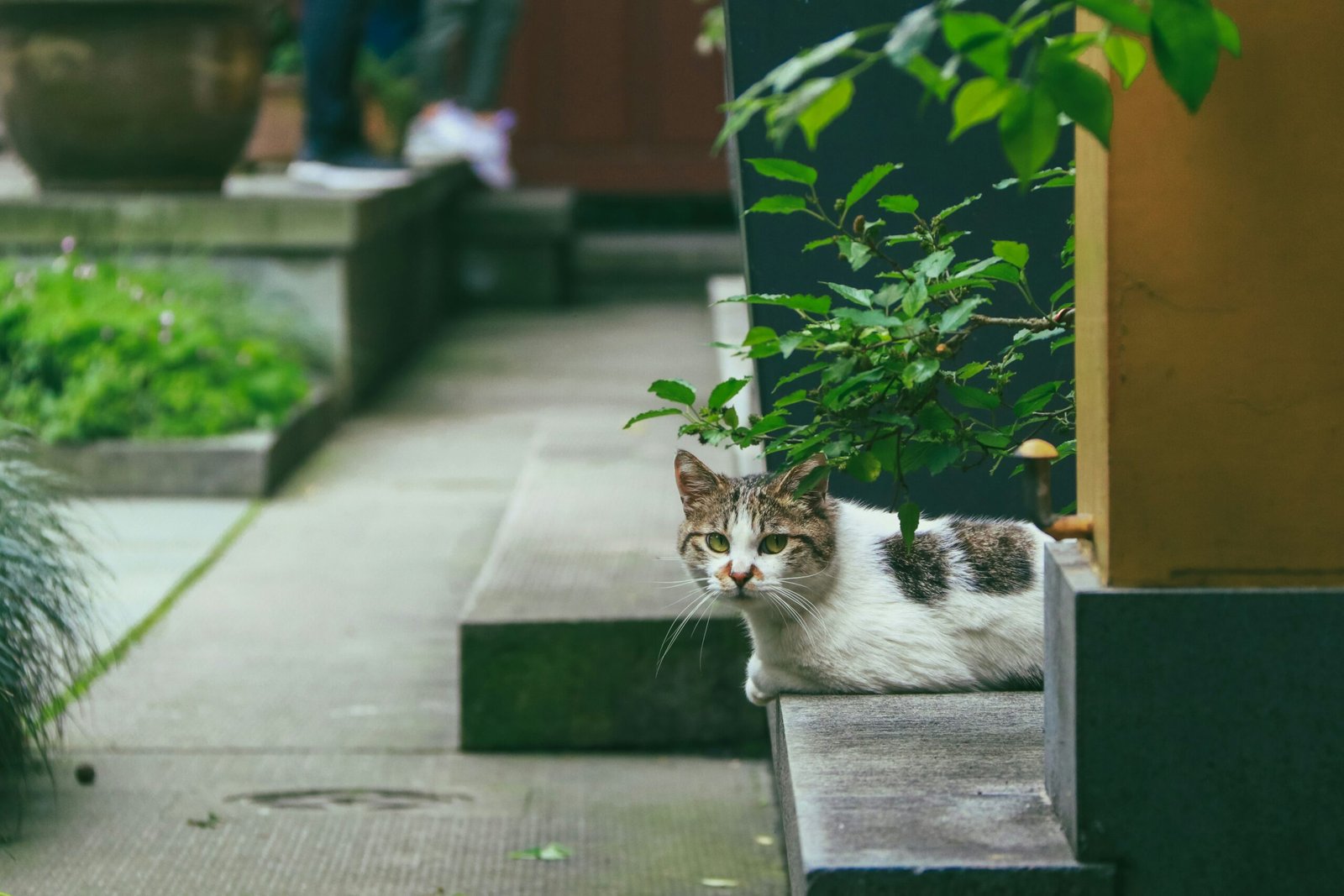
Are you fed up with your flower beds being dug up, your patio peed on and even your own cat flipping out every time a wandering cat passes by? You’re not alone.Most homeowners that have neighborhood, feral and stray cats turning their yard into a bathroom, hunting ground and a hot spot.
This guide shows you exactly how to keep stray cats out of your yardLearn how to design a cat-free yard that is still animal and wildlife friendly with tried-and-true, kind and effective methods. Including step-by-step instructions, safety warnings, cost and time of implementation estimates, and case studies. …but with a very happy ending.
Why Stray Cats Come Into Your Yard (And Why It Matters)
Before jumping into solutions, it helps to understand why stray cats keep showing up. Most of the time, it’s not personal—they’re following basic instincts.
What Attracts Stray Cats?
Stray and feral cats look for three main things, including common outdoor cat attractants:
- Food: Unsecured trash, pet food left outside, compost piles, and neighbors who intentionally feed cats can all draw them in.
- Shelter: Spaces under decks, sheds, porches, and dense bushes offer safe places to rest, hide, and raise kittens.
- Territory and mating: Intact (unneutered) cats roam widely to find mates and defend territory, especially in areas with colonies of feral cats.
When these conditions exist, your yard becomes an attractive “resource zone” for them.
Risks and Downsides of Stray Cats in Your Yard
Having stray cats around isn’t just about nuisance. Common problems include:
- Garden damage: Cats dig in soft soil, trample plants, and use garden beds as litter boxes, leaving strong odors and potential health concerns.
- Health and safety risks: Strays can carry diseases like feline leukemia (FeLV), feline immunodeficiency virus (FIV), and rabies. Fights with your own cat can lead to bites, scratches, and abscesses.
- Wildlife impact: Outdoor cats hunt birds, small mammals, and reptiles, which can be a concern if you’re trying to support local wildlife.
Understanding these risks helps you see why it’s worth taking structured, humane action to keep stray cats out of your yard.
Quick Answer: 7 Most Effective Ways to Keep Stray Cats Out
If you want the short version, these are the most effective strategies:
- Remove all outdoor food sources and secure trash and compost.
- Block shelter and hiding spots under decks, sheds, and bushes.
- Use motion-activated sprinklers at entry points and garden beds.
- Install cat-proof fencing or chicken-wire barriers on beds and fence tops.
- Apply safe scent repellents (citrus, vinegar-based sprays, pet-safe granules).
- Plant cat-repelling species like Coleus canina, rosemary, and thorny shrubs.
- Work with local rescues on TNR (trap-neuter-return) for persistent colonies.
Each of these methods is humane and can be combined for stronger results. Below, you’ll find detailed, step-by-step instructions for each approach.
Step-by-Step Methods to Keep Stray Cats Out of Your Yard
1. Remove Food Sources and Shelter (Foundation Step)
The most effective single action you can take, is to make your yard uninviting. If the predators find no food and no place to perch and hide, many cats will leave.
What to do:
Don’t feed outdoors. Quickly bring food and water bowls back inside after mealtime. A few crumbs can bring in a cat.
•Secure trash cans with a tight-fitting lid. Use bungee cords or locking lids if cats figure out how to open them.
Handle the compost with care. Use only airtight compost bins, don’t open composting piles and don’t use meat, fish and diary that are more attractive.
Speak to neighbors who might be leaving food for strays close to your property. A courteous chat can be very effective (we’ll discuss this in a little bit).
Shelter removal:
Fill gaps beneath decks, sheds, and porches with wire mesh, lattice, or landscaping cloth.
Prune back thick shrubbery and clear away stacked bricks, wood, or trash that cats could use for shelter or breeding.
Even this can eliminate a surprising amount of stray activity, especially if used in combination with other measures.
2. Use Motion-Activated Sprinklers (High-Impact Deterrent)
If you’re wondering how to keep stray cats out of your yard, The best way to discourage your local felines from entering your yard is to use motion-activated sprinkler. It will give your cats a quick shower and they will think thrice before entering your yard.
Best use cases:
- Large yards or long fence lines
- Flower beds and vegetable gardens
- Known entry points where cats slip in
Installation tips:
- Aim sprinklers at typical entry points and problem areas (e.g., specific beds or paths).
- Adjust sensitivity so they don’t trigger constantly from wind or small animals.
- In freezing climates, drain or store sprinklers in winter to prevent damage.
Pros:
- Humane and non-toxic
- Covers a wide area
- Also deters other animals like raccoons or rabbits
Cons:
- Uses water
- May affect delicate plants if aimed directly at them
- Requires hose access and occasional maintenance
Many homeowners see a noticeable drop in stray visits within 1–2 weeks of consistent use.
3. Install Cat-Proof Fencing and Bed Barriers
If you’re wondering how to keep stray cats out of your yard, physical barriers are highly effective when installed correctly. The goal is to make it difficult or uncomfortable for cats to enter or dig.
Perimeter fencing options:
Fence rollers and anti-climb kits: The angle or curve of these extend the surface of your fence, making it more difficult for cats to scale.
Chicken Wire or Mesh: Fixings can be made to the top of a fence or left as a free-standing barrier. Never make any gaps at ground level.
Garden-bed barriers:
Flat lay some chicken wire over the dirt, then cover it with 1-2 inches of mulch. Cats don’t like digging through chicken wire.
Apply a low edge to soften the surface ( stones, pinecones, sticks). The more difficult it is to get into your bed, the less your dog will want to go!
Ground stakes and netting:
Place ground stakes with netting to prevent access underneath fence lines or beds.
These barriers are particularly handy if you have stubborn strays who aren’t bothered by scent repellents or sprinklers.
4. Use Scent-Based Repellents (Natural & Commercial)
Cats can’t stand the smell. Their noses are very sensitive, and some aromas may contribute to natural cat deterrent methods.
Homemade options:
Citrus peels: Scatter fresh orange, lemon or lime peels around beds and paths. Replace every few days or after rain.
Vinegar-water spray: Combine 1:1 white vinegar to water; spray on nonplant areas such as fences, patios and rocks.
Lemon-rosemary-vinegar combination: Use lemon juice, dried rosemary and white vinegar to make a more potent solution.
Commercial products:
Use a granular or spray repellent that is labeled for use around pets and children. Apply according to label instructions.
How to apply:
Reapply after rain or heavy watering.
Make sure to rotate scents periodically so your cat doesn’t get bored with the same smell.
Safety notes:
Do not use moth balls, concentrated essential oils, bleach, or ammonia. They are dangerous to cats, dogs, children and wildlife.
Scent repellents are most effective when combined with other methods and should not be relied upon by themselves.
5. Plant Cat-Repelling Species as a Living Barrier
Some plants are repulsive to cats and actively repel them through the plant’s odor or feel.
Plants cats tend to avoid:
Coleus canina (“scaredy cat plant”)
Rosemary, lavender, thyme
Rue and some thorny shrubs
How to use:
Plant along the edges of beds, along paths and within fence lines for a barrier that is fragrant or thorny.
Combination approaches (e.g., wire under mulch) may be more effective.
Pros:
Attractive and low-maintenance once established
Eco-friendly and safe for most pets
Cons:
Takes time to grow and establish
Effectiveness varies by cat and location
If you’re after a long term, natural solution that will improve your landscape then this is the method for you!
6. Use Ultrasonic and Noise Deterrents
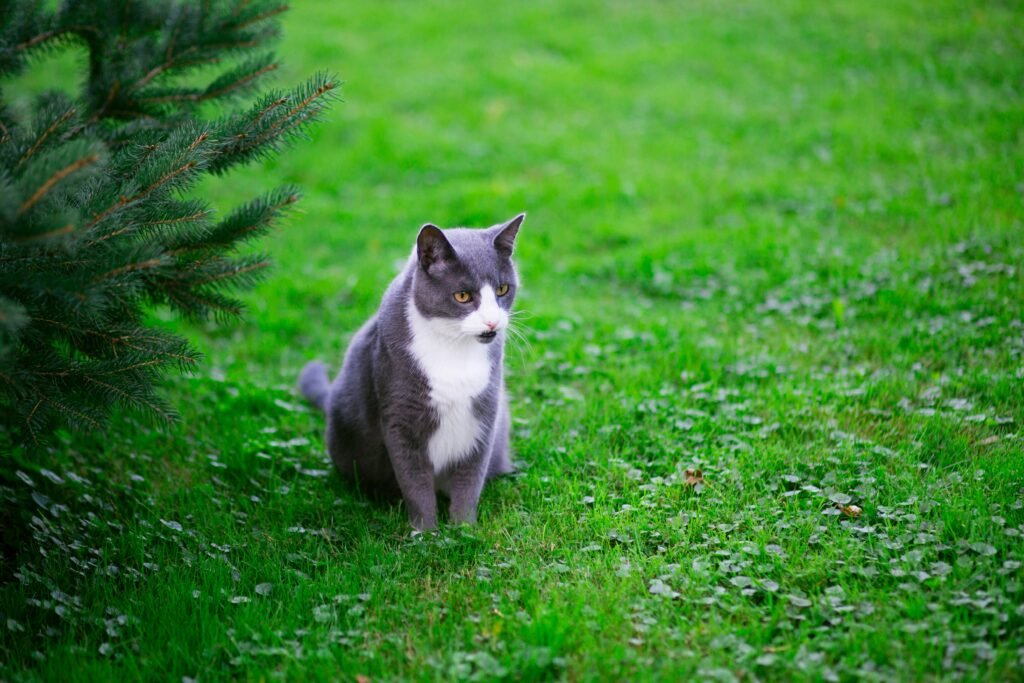
Ultrasonic cat deterrent Cats perceive these sound waves as irritating, but they are not particularly effective if the cat is allowed to stay in the protected space.
Best scenarios:
Small to medium yards
Patios, decks, or near doorways
As a secondary layer alongside other methods
Limitations:
Effectiveness varies; some cats ignore them
Cats may habituate over time
Obstructed by walls and shrubs
Ultrasonic deterrents should be an adjunct, not the sole solution.
7. Make Surfaces Uncomfortable to Walk and Dig On
Disrupt the cat’s interest in soft, diggable soil. Create an unpleasant environment.
Tactics:
Cover soil with pine cones, coarse mulch, stones or sticks.
Place plastic carpet runners (spike side up) in mulched areas and problem areas.
In beds use chicken wire or plastic fencing immediately below soil surface.
They are low cost and simple to apply, particularly in raised beds and problem areas.
How to Keep Stray Cats Out of Your Yard but Safe for Dogs
If you have dogs, you need methods that deter cats without harming or stressing your pets.
Dog-safe strategies:
- Motion-activated sprinklers: Generally safe for dogs; most learn to avoid the spray zone quickly.
- Physical barriers: Fencing and bed barriers keep cats out without affecting dogs.
- Pet-safe scent repellents: Choose products specifically labeled as safe for dogs. Avoid essential oils like tea tree, eucalyptus, and citrus concentrates, which can be toxic.
- Plant barriers: Rosemary, lavender, and thyme are generally safe for dogs in normal garden quantities.
What to avoid:
- Mothballs, strong chemicals, and undiluted essential oils.
- Spiky mats or devices that could injure paws.
Always check product labels and consult your vet if you’re unsure about a repellent’s safety for your dog.
30-Day Action Plan: How to Actually Clear Stray Cats From Your Yard
To make this practical, here’s a simple 30-day plan you can follow.
Days 1–3: Audit and remove attractants
- Walk your property and note all possible food sources and shelter spots.
- Secure trash, remove outdoor food, and block obvious hiding areas.
Days 4–7: Install primary physical barriers
- Add wire under mulch in key beds.
- Install fence toppers or ground stakes where cats enter.
Days 8–14: Add active deterrents
- Set up 1–2 motion-activated sprinklers.
- Apply scent repellents around the perimeter and beds.
Days 15–21: Observe and adjust
- Track stray activity (date, time, location).
- Adjust sprinkler angles, refresh scents, and add uncomfortable surfaces where cats still go.
Days 22–30: Escalate if needed
- If strays persist, add ultrasonic devices, expand fencing, or contact local TNR/rescue groups.
This structured approach helps you avoid random, ineffective efforts and builds momentum toward a cat-free yard.
Cost, Effort, and Effectiveness: Which Method Should You Try First?
| Method | Approx. Cost | Setup Effort | Maintenance | Typical Effectiveness | Best For |
| Remove food/shelter | Low | Low | Low | Medium–High | All situations (foundation step) |
| Motion-activated sprinklers | Medium | Low | Medium | High | Large yards, garden beds |
| Cat-proof fencing/barriers | Medium–High | Medium | Low | High | Persistent strays, small yards |
| Scent repellents | Low | Low | Medium | Low–Medium | Supplemental use |
| Cat-repelling plants | Low–Medium | Medium | Low | Low–Medium | Long-term, natural approach |
| Ultrasonic devices | Medium | Low | Low | Low–Medium | Small areas, secondary layer |
| Uncomfortable surfaces | Low | Low | Low | Medium | Specific beds or zones |
Start with low-cost, high-impact steps (remove attractants, basic barriers) before investing in more expensive solutions.
Safety First: What NOT to Use (And Why)
Some common “home remedies” are dangerous and should be avoided.
Dangerous or harmful methods:
- Mothballs: Toxic to cats, dogs, wildlife, and children.
- Undiluted essential oils: Can cause poisoning, especially in cats.
- Bleach, ammonia, or strong chemicals: Harmful to pets and the environment.
- Inhumane traps or spike mats: Can cause serious injury.
Safer alternatives:
- Pet-safe commercial repellents
- Physical barriers and fencing
- Water-based deterrents like sprinklers
When in doubt, choose methods that are explicitly labeled as safe for pets and children.
Neighbor & Legal Issues: How to Handle Stray Cats Respectfully
Stray cats often involve neighbors and local laws. Handling these situations respectfully can prevent conflict and improve results.
Talking to Neighbors Who Feed Strays
If a neighbor is feeding cats near your property:
- Approach the conversation politely and non-accusatorially.
- Focus on shared concerns: noise, smell, garden damage, or wildlife.
- Suggest compromises: move feeding stations away from your property, use covered feeding areas, or support TNR efforts.
Local Ordinances and Legal Considerations
Many areas have rules about:
- Trapping and relocating cats
- Feeding feral or stray animals
- Property boundaries and nuisance animals
If you’re wondering how to keep stray cats out of your yard, check your city or county animal control website, or call your local humane society for guidance. In some places, trapping without permission or relocating cats can be illegal.
When to Call a Professional
When to seek professional help It’s best to get expert advice when:
You’re dealing with a large, persistent colony.
Cats are aggressive, injured, or appear sick.
Neighbor or legal issues are complex.
Who to contact:
Local animal control agencies
Humane societies or rescue organizations
Licensed wildlife or pest control specialists
TNR (trap-neuter-return) groups
They are able to assist in the form of safe trapping and neutering (if permitted in your area), and help with relocating these animals appropriately.
FAQs: How to Keep Stray Cats Out of Your Yard
1.Will coffee grounds keep stray cats away?
Using Coffee Grounds This method is also another supposedly way to deter cats. However, there is no conclusive evidence either way as some cats can’t stand the smell of coffee and some don’t seem to mind. Also be aware that coffee grounds are a highly toxic chemical if consumed in large amounts.
2.Are ultrasonic cat repellents effective?
They may work, or they may not. Some cats become deaf to the ultrasonic noises after a while. These devices should not be used on their own but in conjunction with other deterrents.
3.How do I stop stray cats from using my garden as a litter box?
Combine multiple methods: lay chicken wire under mulch in beds, use motion-activated sprinklers, apply pet-safe scent repellents, and remove any nearby food sources. Consistency is key.
4.Is it legal to trap and relocate stray cats?
Certain laws are different in your area. In your city or county, it may be illegal to trap and relocate cats. Talk to your city or county animal control or humane society about getting a permit and how you can legally trap and TNR the cats.
5.What plants keep stray cats out of the yard?
Plants like Coleus canina, rosemary, lavender, thyme, and some thorny shrubs can help deter cats. They are most effective when used alongside a broader strategy rather than as standalone methods.
6.How long does it take to get rid of stray cats?
Results vary. Some homeowners see improvement within a week using sprinklers and barriers; others may need several weeks, especially with established colonies. Patience and consistency matter.
7.Will keeping my cat indoors help with stray-cat problems?
Yes. Keeping your own cat indoors reduces territorial conflicts, lowers disease risk, and removes one potential attractant for strays as part of better cat care. It plays an important role in an overall, well-rounded strategy.
Conclusion:
How To Keep Stray Cats Out Of Your Yard There are greener ways to chase cats out of your yard without using poisonous chemicals or installing traps that cause pain and suffering. Grow cat repellent plants, set up a motion activated sprinkler, and eliminate cat attractors – without killing any cats.Begin with the 30-day solution, take dog-safe/child-safe precautions, and don’t be afraid to call local rescues and/or professionals for ongoing colonies. With a persistent, layered plan of attack, you can take back your yard-and not sacrifice kindness in the process.








