

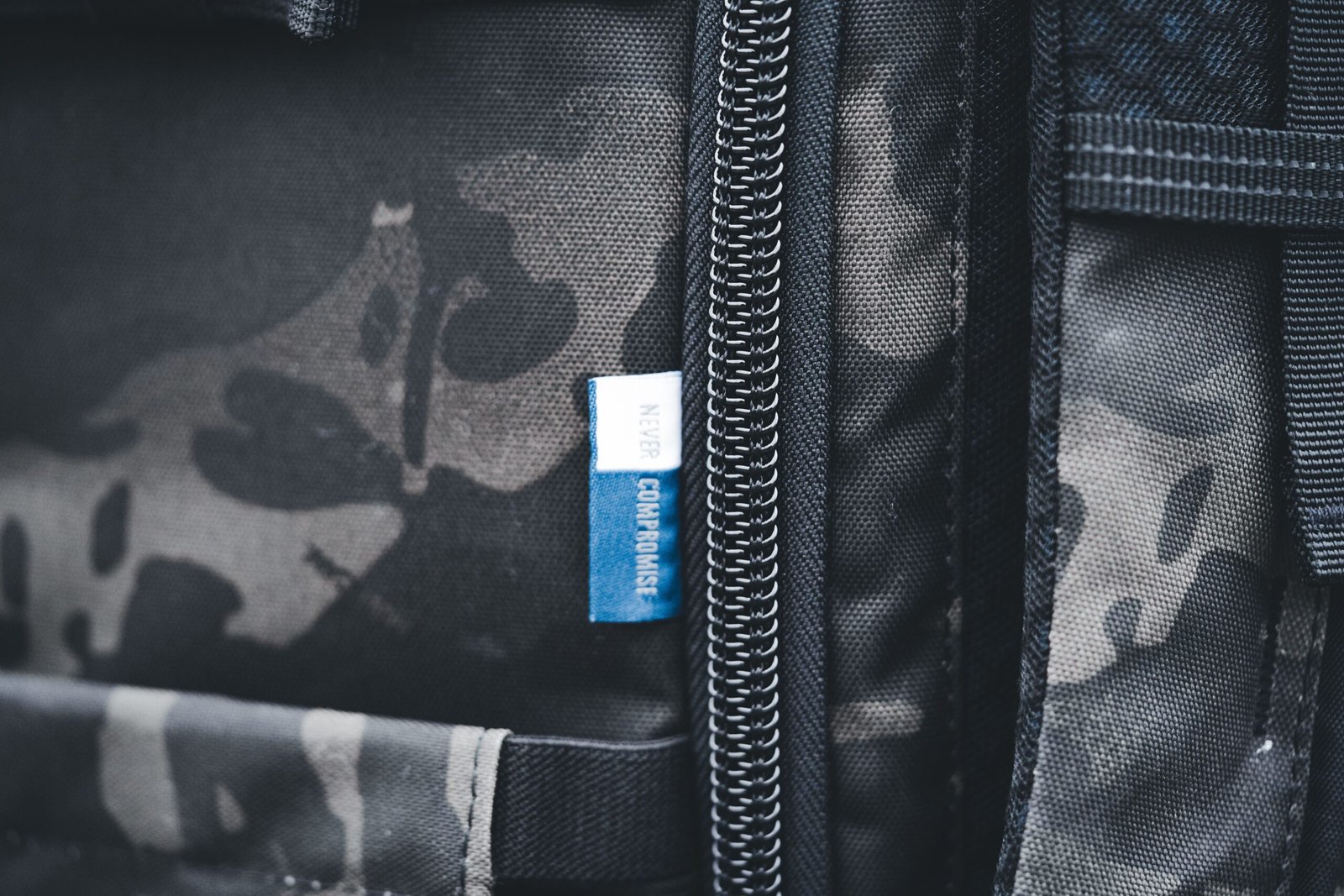
Having a broken backpack zipper might be an extremely irritating nuisance. Whether your zipper slider gets stuck right there in the middle, the teeth come apart after zipping it closed, the pulltab breaks, or the entire zipper comes out of alignment; do not worry, most of these zipper’s do not mean the Backpack needs replacement.
Learning how to fix zipper on backpack problems starts with identifying exactly what has failed. The solution for a jammed zipper is much different than that for teeth that are bent or broken, or for a zipper with a missing slider. Using the improper fix might worsen any damage to the slider or teeth by putting too much force behind it.
This will guide you on what the most likely failures for your backpack zipper might be and the easiest ways you can fix your zipper using common household implements. You will learn about what to do with lost sliders, spread apart teeth, sliders that feel loose, a lost zipper pull or stop as well as a zipper you might consider just swapping out.
Understanding How a Backpack Zipper Works
Before proceeding with a repair it’s useful to have an understanding of the zipper’s components. Zippers essentially have two parallel rows of teeth, a slider which brings the teeth together, and a pull tap to move the slider. There is also some method at the ends to prevent the zipper slider traveling beyond its operating limits such as stops or another form of construction.
Molded plastic teeth, metal teeth and continuous coil can all be found used inbackpack zippers. Backpack coil zipper use often occur son lighter bag applications and heavier backpacks might employ larger molded plastic or metal zippers.
When learning how to fix zipper on backpack, it is important to understand the role of the slider and how proper zipper maintenance can help prevent common problems such as sticking, misalignment, and premature wear.
As it travels along the zipper, its internal design forces the two halves to align with each other. If the slideris bent, worn, dirty or damaged, it may fail to properly engage the zipper’s teeth, even though the teeth themselves may not be the problem. This does not necessarily mean the whole zipper must be replaced.
Why Backpack Zippers Stop Working
Several problems can cause zipper failure. The most appropriate repair depends on what you find during inspection.
Fabric caught in the slider
Loose threads, lining material, or fabric can become trapped inside the slider. Pulling harder usually tightens the material around the mechanism and makes the jam worse.
This is one of the easiest problems to correct because the zipper itself may not be damaged at all.
Misaligned zipper teeth
When one of the two sides of the zipper’s teeth aren’t entering the slider smoothly, those teeth can separate as they’re pulled past the slider. The most common case is having a backpack that’s too full; under these conditions the teeth can often pop apart from the zipper’s great strain. Continuing to try and zip a separating zipper can soon bend the slider, or even pull the teeth out from the stitching that attaches them to the webbing of the bag.
A loose slider
If you’re learning how to fix zipper on backpack, a slider that has become slightly wider may no longer press the zipper teeth together firmly enough. The zipper may appear to close, but it separates again when you move the slider or put pressure on the bag.
This problem can sometimes be corrected by carefully adjusting the slider rather than replacing the whole zipper.
Broken or missing pull tab
The Pull tab – is the piece you hold on to when zipping or unzipping. Over use, getting caught, being accidentally banged could cause this to snap. Luckily, without much effort, you can replace a pull tab or make your own temporary loop and the zipper still works like new.
Damaged teeth or coils
Bent, missing, or severely damaged teeth are more serious. If the slider cannot pass a damaged section, a simple adjustment may not solve the problem. A zipper with widespread damage may need replacement.
How to Fix Zipper on Backpack When It Is Stuck
Do not force a stuck zipper — the most effective way to unstick one is to coax out whatever is causing resistance without warping the slider or ripping the zipper tape. To do this: Stop pulling the slider as soon as you encounter significant resistance. Flip open the pull tab and examine both sides of the zipper slider for any bits of fabric, thread, or lining that might be catching.
If you see a few pieces of fabric that are trapped in the zipper, pull the snagged material away from the zipper as you gently move the slider in the opposite direction a few millimeters at a time.
Rather than trying to yank the slider open, move it in tiny amounts. You can also use something slender and pointed (like a sewing needle or even a straight pin) to dislodge a loose thread stuck in the slider. Be careful doing so to avoid pricking yourself or using the point against the zipper tape itself. Once all the offending bits have been cleared, operate the zipper to open and close the zip.
If it opens and closes and the zipper teeth and coils don’t appear to be damaged, you should be ready to move on.
For Added Lubrication. You can always use a special zipper lubrication device on any zipper, particularly a stuck one, after successfully freeing it of an obstruction.A dry zipper lubricant can be particularly suitable for a bagged product since oily compounds may draw in the dirt and can stain and mark the canvas or polyester product that it has been applied to. Apply sparingly to either side of the open zipper and operate the mechanism back and forth several times to distribute the product.
How to Fix a Backpack Zipper That Separates Behind the Slider
A zipper that closes but immediately separates behind the slider often has a slider that is no longer gripping the zipper properly.
Start by opening the zipper as far as possible without forcing it. Examine the teeth or coils. If they look intact and properly aligned, the slider may be the problem.
If you’re learning how to fix zipper on backpack, a common repair involves slightly narrowing the slider. This process should be done very carefully using a small pair of pliers. Position the tip of the pliers around the base portion of the slider and squeeze ever so gently. You are not trying to squish the slider out of shape and it should not be visibly deformed. You are simply tightening things up so that the slider will grip the zipper more securely.
After every adjustment, try the zipper. If the slider still separates when you pull on the cursor, make another extremely small adjustment, but don’t squeeze on the slider harder or it will become impossible to open and close your zipper. This type of repair method is only effective when your zipper has perfectly intact teeth and is being separated due to an excessively loose or overstretched slider; cracked or bent sliders will more than likely require a full slider replacement.
How to Repair a Zipper That Came Off One Side
It may come completely off one side of the zipper, but the teeth and zipper tape remain connected. Reassembly is often possible, but will vary somewhat based on the zipper style. To reassemble, pull the slider close to the end where both sides of the zipper are freely accessible.
If an end stop or any barrier prevents the slider from reaching the tip, it may need to be carefully pried or removed.
Now, with the slider off, take a look at the zipper teeth and tape to see if any are damaged or missing. If the teeth are severely bent or absent, your repair probably won’t last, and the slider should not be replaced. Ideally, slide the slider on from this end and allow the two halves of the zipper to enter their respective openings evenly, making sure the first few teeth catch. Then, gradually apply moderate pull to the slider, keeping even pressure on both sides of the zipper.
Once the zipper teeth begin to catch evenly, keep pulling cautiously a small amount at a time, and then fully complete the zip-up.
Finally, make sure you properly secure the end stop (often a small plastic crimp, a folded down flap or sewn in tab) back in place so the slider can’t escape from the other end. Take your time! If you place the slider on crooked, you might zip up only one side properly and have the entire thing misalign.
How to Replace a Broken Zipper Pull
A missing pull tab is usually much easier to repair than a damaged zipper mechanism.
You can attach a new pull to a zipper if it’s still attached to the sliders with a short string (if it’s still on the slider of your zipper). You may need to size the pull yourself-you can purchase replacement pulls made out of various sizes and materials, or you can make a more simple repair with the following: Cut a small loop of string, cord, or other thin, strong material and pass it through the slider. Tie the string together and give it a good tug.
Don’t choose too thin a string if you’re using a backpack to carry gear around and out in the world and plan on abusing the pulls.
This replacement won’t match-it’ll look totally different-but an easy to use zipper is often worth a strange new looking zipper pull.
How to Fix a Zipper That Keeps Getting Stuck
If the zipper keeps catching after you’ve checked for obvious hindrances, consider the zipper path, not just the slider, and review these backpack zipper repair tips before attempting a more complicated fix. Pack with a heavy hand. Backpacks can have curved sections that put even more tension on the zipper path at the bends.
Overstuffing a section can push it outward and snag the zipper path.
Partially or completely empty the section and try again. If the zipper moves freely with less in the pack, then the issue is probably just tension and not the slider or zipper. Clear out debris. Remove dirt, grit, and other particles stuck in the teeth or coils using a soft-bristled brush.
Small bits of dirt tend to friction the slider and hinder it.
Check the tape. Remove any threads coming off the edge of the zipper tape that dip into the path of the slider by trimming them neatly with scissors. Keep the tape from being frayed and you may avoid a catching slider.
A Step-by-Step Repair Process
When you are unsure what caused the failure, use a systematic approach rather than immediately replacing parts, especially when following practical DIY repair and maintenance tips for everyday items.
1. Empty the backpack
Remove heavy or bulky items from the compartment. This eliminates unnecessary tension and gives you better access to the zipper.
2. Inspect the entire zipper
Look for bent teeth, missing teeth, loose stitching, trapped fabric, frayed tape, dirt, or a damaged slider.
3. Determine the failure
Ask whether the zipper is stuck, separating, off one side, missing a pull, or physically damaged. Identifying the problem prevents unnecessary repairs.
4. Remove obvious obstructions
Free threads or fabric carefully. Do not yank material through the slider.
5. Test the zipper gently
Move the slider slowly after the obstruction is removed. Avoid repeatedly forcing it through a section that still feels abnormal.
6. Adjust the slider if necessary
If the zipper separates despite having intact teeth, a very small adjustment to the slider may restore its grip.
7. Replace the pull if needed
A broken pull does not require replacement of the entire zipper. Attach a suitable replacement or temporary cord loop.
8. Test the completed repair
Open and close the zipper several times while the backpack is empty. Then test it with a normal load. If the zipper works only when the bag is empty, excessive tension may still be contributing to the problem.
Common Mistakes That Can Make the Damage Worse
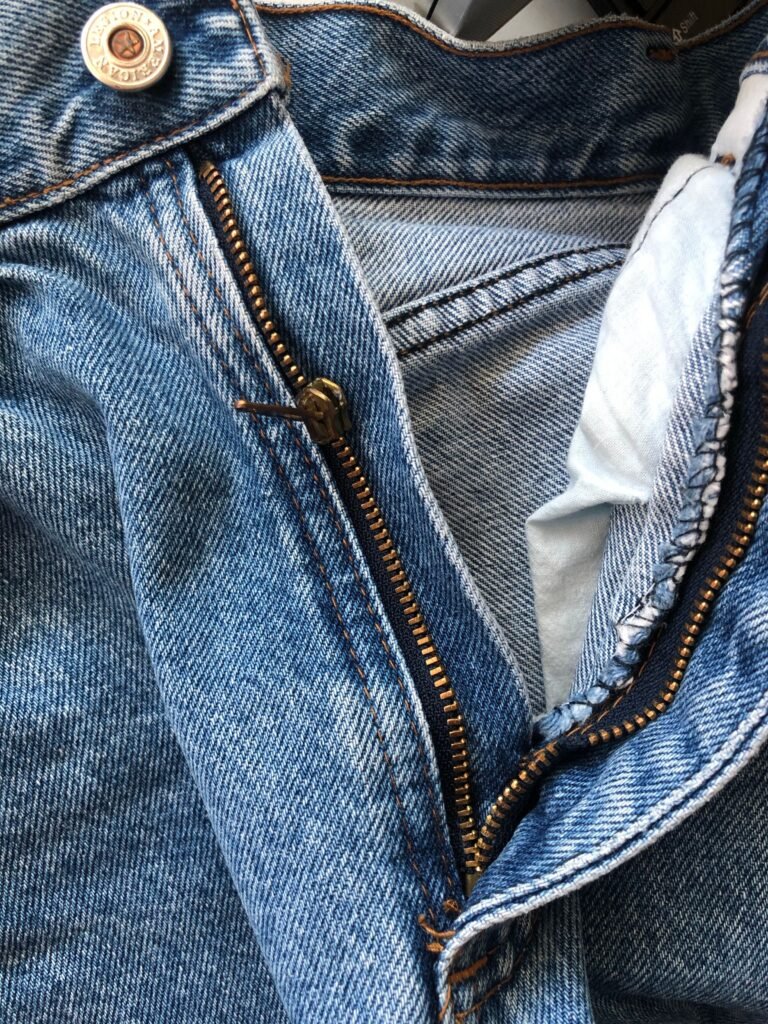
There can be such a thing as using too much pressure. A zipper slider is quite small and the fabric it surrounds can actually rip quite easily if you try to pull against a large obstacle.
Don’t try and grip the teeth with a large pair of pliers and yank. It will bend or damage the slider and can often fray the zipper tape itself.
Using too much lubricant can be a mistake. It often just collects fluff and dirt which will eventually build up enough to cause more resistance than was there to begin with!
Don’t remove zipper stoppers until you’ve worked out how you are going to keep the slider on in the first place. They exist to stop the zipper coming apart completely.
Trying to squeeze a wobbly slider tighter and tighter by constantly applying too much pressure to it again and again. It won’t ever fix anything permanently.
Do not, under any circumstances, stitch through zipper teeth and coils. The slider has to run smoothly over them without interference.
Special Cases: When a Simple Repair Is Not Enough
Some zipper failures are beyond a basic home repair.
Replacing zipper For missing teeth, shreddedzipper tape, Or separated parts of large zipper coil. DIY backpack zipper repair is not a easy task if it is sewn in complex construction as part of a waterproof system . Unpicking this zipper will be a lot of work .
Water-proof or outdoor gear backpacks that use coating on their zipper tapes could also become problematic after the original zipper has been removed .
Highly-Structured back pack or bags made of expensive or hi-tech materials might result in a smoother finish if sent out to a dedicated luggage/ Outdoorgear repair service.
Repair or Replace the Zipper?
The decision largely depends on the type of damage.
| Problem | Usually worth repairing? | Typical approach |
| Broken pull tab | Yes | Install a replacement pull |
| Fabric caught in slider | Yes | Carefully remove obstruction |
| Dirty zipper | Yes | Clean and lubricate lightly |
| Slightly loose slider | Often | Carefully adjust or replace slider |
| Slider came off | Often | Reinstall and secure the end |
| One damaged tooth | Sometimes | May require slider or zipper replacement |
| Several missing teeth | Usually not | Replace zipper |
| Torn zipper tape | Usually not | Sew in a replacement zipper |
| Cracked slider | Usually | Replace the slider |
A minor mechanical problem can often be fixed in minutes. Extensive damage, on the other hand, may require sewing equipment and replacement components.
Choosing the Right Replacement Slider
Make Sure the Replacement Slider is the Right Size and Zipper Type Even a part that appears the same might be impossible to fit. Know the zipper type and measurement to ensure that the new slider is an exact match to your backpack, as coil and toothed zippers are different in form, and the sliders not always compatible. If the zipper is part of any other type of product, take the slider to a luggage repair shop or to the local sewing supply store.
Size of the Zipper In some cases, zipper parts have a number stamped on them which approximates their size, however, you won’t find this stamp on an in-use backpack zipper. If you’re ever unsure of the zipper and the measurement required, take the original slider to a luggage repair store or tailor that specializes in zippers in order to get the best approximation.
How to Prevent Future Zipper Problems
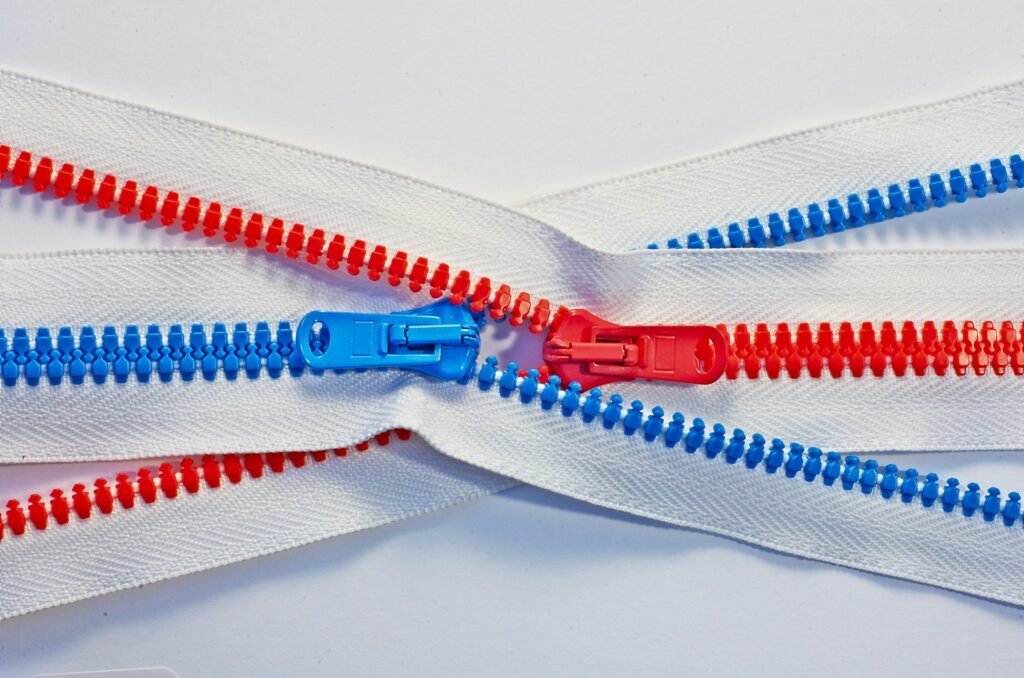
Good zipper maintenance is mostly about reducing unnecessary stress.
Don’t stuff so full that the zipper is clearly fighting the contents. If you feel like you’re straining to close a pocket, take stuff out or restack to make it fit easier. Look for a path along the zipper where frayed edges have built up.
Older packs will often fray and the edge becomes the primary point where material has worked its way into the teeth.
Use the pull tab to operate the slider, not the actual slider body. Apply firm, consistent pressure – don’t jerk at it sideways. Clean the zippers occasionally. Dust, sand and other material will invariably get into the tracks, especially on packs that are used outside and for travel.
If the pack is being stored for any length of time, there’s no reason for every pocket to be strained shut.
When to Get Professional Help
Take to a shop if the zipper runs through an awkward area of the bag, the zipper tape has ripped, or several zipper teeth have broken off. If it’s a nice or sentimental bag, professional repair is highly recommended. A badly done fix will mar the bag in an unsightly way and potentially compromise the structure of the bag too.
Some luggage, shoe, tailoring or outdoor-equipment shops can probably replace just the zipper teeth or slider, salvaging your fabric.
Ask what the repair will entail before cutting it out yourself. For cheap bags, complicated zipper problems may be better left and the entire bag replaced with an inexpensive buy.
Final Takeaway
Learning how to fix zipper on backpack problems can save a usable bag from unnecessary replacement. First figure out where it’s actually failing-pushing on it harder or buying a new backpack is usually the last thing you need to try. Often a stuck zipper slide is caused by something caught in the works and just needs to be worked free and clean, or perhaps adjusted by a slight tweak to the slide for separating zippers. Broken zip-tabs can almost always be easily replaced.
Never-regardless of temptation-work the zipper too vigorously.
Keep your backpack lightly packed and test often as you ease it open and shut. At some point your zip starts losing too many teeth, or its fabric backing tears, or you have the more complicated integrated style, and then you had probably better take it to the tailor or consider replacing the zipper/backpack altogether.
Frequently Asked Questions
1.Can a backpack zipper be repaired instead of replaced?
Yes. Many zipper problems are limited to the slider, pull tab, alignment, or a small obstruction, so the entire zipper does not necessarily need to be replaced. If the zipper tape and teeth are still intact, a repair may be practical.
2.Why does my backpack zipper keep separating after I zip it?
A zipper that closes but separates behind the slider often has a worn or loosened slider. The slider may no longer hold the two sides together tightly enough. Carefully adjusting it with pliers can sometimes help, although replacing a badly worn slider is generally a more reliable repair.
3.How do I fix a zipper that is stuck on my backpack?
First, check whether fabric, thread, dirt, or debris is trapped in the slider. Gently remove any obstruction rather than forcing the zipper. A small amount of suitable dry lubricant can also reduce friction and help the slider move more smoothly.
4.Can I replace a broken backpack zipper pull?
Yes. If the slider itself is still intact, you can attach a replacement pull, cord loop, small key ring, or similar sturdy piece through the slider’s pull opening. A broken pull tab does not necessarily mean the zipper mechanism has failed.
5.What should I do if the zipper slider comes off one side?
The slider can sometimes be reinstalled by removing the appropriate stopper, aligning both sides of the zipper, and carefully feeding them back into the slider. Afterward, the end should be secured with a new stopper or strong stitching so the slider does not come off again.
6.When should I replace the entire backpack zipper?
Replacement is usually the better choice when the zipper tape is badly torn, several teeth are missing or damaged, or the zipper mechanism is beyond adjustment. Replacing a sewn-in zipper requires removing the old stitching and carefully attaching a correctly sized replacement.
7.Can I repair a backpack zipper without sewing?
Some minor problems can be handled without sewing, such as replacing a pull tab or carefully adjusting a loose slider. More substantial repairs, particularly replacing the complete zipper or creating a permanent stopper, may require sewing.
Conclusion
Knowing how to fix zipper on backpack problems can help you extend the life of a bag that still has plenty of use left. First, determine whether your zipper problem is a stuck slider, popped teeth, loose slider, broken pull or if the zipper tape and teeth are actually damaged. Some problems can be easily resolved with thorough cleaning, realignment and lubrication, slight adjustment or a new pull. However, If teeth are broken or fabric surrounding the zipper is torn you will probably have the zipper replaced to ensure reliability.
The most important rule to remember in trying to repair an unwilling zipper is to avoid excessive force as that can turn an easy fix into irreversible damage to the teeth and tape.
Many zipper issues on backpack can be resolved in other ways other than completely replacing the zipper and bag.








