

If your dog vomits up yellow fluid with little or no food present, it is certainly a shock. Often, the color yellow in dog vomit comes from bile, which is produced by the liver, then secreted into the small intestine. Your dog may vomit bile when they haven’t eaten anything for quite a long time, often in the morning after the first thing it consumes makes it feel sick.
If you’re wondering why is my dog throwing up yellow liquid, that does not mean every episode is harmless. Yellow vomiting may also be seen in cases of gastroenteritis, diet indiscretion, intestinal worms, pancreatitis, obstruction, infection and other issues. Details surrounding the vomiting episode are even more informative than the color – for instance, frequency, time of occurrence, appetite and thirst levels, presence of additional symptoms in the dog.
Here in this guide we will address the typical concerns relating to yellow vomit in your dog. We will discuss some of the more common and also some more serious causes, home treatment if needed and appropriate, pitfalls in managing your dog when he develops this condition and the signs that warrant a visit to the veterinarian.
What Does Yellow Vomit Mean in Dogs?
Yellow or yellow-green vomit usually includes bile. Normally, bile goes from your dog’s small intestine to aid in digestion, but it sometimes travels the wrong way and enters the stomach. When a dog’s stomach is nearly empty, not many foods are there to dilute and blend it, which makes the bile come up as watery yellow liquid or yellow foam.
Not even all healthy dogs vomits, and occasional vomit in otherwise healthy dog which looks okay after one event, are okay too.
If the dogs act well, drink well and do everything normally again it was simply irritation.
The pattern becomes more meaningful when you look beyond the color.
If you’re wondering why is my dog throwing up yellow liquid, occasional early-morning vomiting in an otherwise healthy dog can fit a pattern called bilious vomiting syndrome in dogs. Dogs with this condition may vomit yellow fluid after an overnight period without food and then behave normally afterward. Veterinary sources describe altered gastrointestinal motility and irritation from bile during prolonged fasting as possible contributors.
By contrast, yellow vomiting combined with diarrhea, abdominal pain, poor appetite, lethargy, repeated vomiting, or an inability to keep water down deserves much more attention.
Vomiting vs. Regurgitation
It is also useful to determine whether your dog is actually vomiting.
Vomiting most of the time is a process of accompanied nausea, abdominal contractions, and effort to regurgitate the contents of stomach and intestines. While the regurgitation is spontaneous with abdominal muscle contraction in passive form, almost without the same abdominal action and usually following intake in short period time of water/food is seen.
This distinction can help your veterinarian narrow down the possible causes.
Common Reasons a Dog May Vomit Yellow Liquid
1. An Empty Stomach
One of the less concerning explanations is prolonged fasting. Some dogs develop intermittent bile vomiting when their stomach remains empty for an extended period, particularly overnight.
If you’re wondering why is my dog throwing up yellow liquid, a typical pattern can be fairly recognizable: the dog vomits a small amount of yellow fluid in the early morning, otherwise seems comfortable, has a normal appetite, and does not have persistent diarrhea or other signs of illness. This pattern can be associated with bilious vomiting syndrome.
The important point is that this should not simply be assumed based on color alone. A veterinarian may need to rule out other causes if the episodes continue or the pattern changes.
2. Eating Something That Irritated the Stomach
Dogs can be curious eaters. Upsetting the GI tract can happen if he got into the food dish, garbage can, table scraps, ate too many treats, chewed on grass or something else out of the ordinary. For example, gastroenteritis can happen for many reasons including infections, parasites, medications or diet changes.
There will be vomiting and diarrhea, and the vomitus can include some yellow bile when the stomach is empty.
If you think your dog was into something he should not have been into, give the veterinarian a list of all he could have ingested instead of relying on the color of the vomitus for your cause.
3. Gastroenteritis
Gastroenteritisis defined as a inflammation of the stomach and intestine. Such dogs may experience repeated vomition and/ or diarrhea along with gastrointestinal sensitivity and/ or abdominal tenderness. An owner may note a decrease in appetite. A dog with simple gastritis should have resolution without long term consequences however this can result in dehydration and may warrant medical therapy.
4. Food Intolerance or Dietary Problems
Some dogs do not tolerate particular ingredients well. A sudden diet change can also upset digestion even if the new food is otherwise appropriate for dogs.
If you’re wondering why is my dog throwing up yellow liquid, repeated episodes that seem connected to a particular food, treat, or feeding routine are worth discussing with a veterinarian. Keeping a simple record of meals, treats, vomiting episodes, stool changes, and appetite can make patterns easier to identify.
5. Intestinal Parasites
Some parasites can be itchy, can cause stomach upset and subsequent vomiting, diarrhea, eating a lot or not very much, or weight loss. Young, non-prevented animals may be predisposed but any dog of any age could contract parasites. Yellow vomit on its own is not an indicator. Vets require examination and sometimes feces to diagnose parasites.
6. Pancreatitis
The pancreas becomes inflamed (pancreatitis) and vomiting may occur in this condition, along with a painful abdomen and other GI signs. It’s one of the more critical conditions to rule out if the vomiting persists, and the dog appears painful or sick. Pancreatitis can cause the dog to loose interest in food, lethargy, diarrhea and a painful abdomen.
7. Intestinal Obstruction
An intestinal blockage can occur when a dog swallows something that cannot pass normally, such as part of a toy, clothing, a bone, or another foreign object.
If you’re wondering why is my dog throwing up yellow liquid, an obstruction can initially look deceptively mild. A dog may vomit and seem relatively normal at first, but the condition can progress to repeated vomiting, appetite loss, abdominal discomfort, dehydration, and significant illness.
If you suspect your dog swallowed an object, do not wait for the vomit to become a different color before contacting a veterinarian.
The Timing of Vomiting Can Provide Useful Clues
When the vomiting occurs can be surprisingly informative.
Early morning:
If yellow fluid appears occasionally after a long overnight fast and your dog otherwise feels normal, bile irritation associated with an empty stomach may be part of the explanation.
Soon after eating:
This may be an indicator of some food/diet issue, eating too quickly or stomach irritation and potentially other digestive problem issues. There is another process rather like vomiting but without the struggle (so it’s perhaps not the same as, regurgitation).
Repeatedly throughout the day:
Frequent episodes are more concerning than an isolated incident, particularly if your dog cannot keep water down or begins acting sick.
After drinking:
If your dog repeatedly vomits shortly after drinking, dehydration can become a concern. Persistent vomiting after water intake warrants veterinary guidance.
The timing is only one clue. It cannot establish a diagnosis on its own.
What Can You Do at Home for a Mild Episode?
If your adult dog vomits once, but is bright, happy and acting normally then it could be reasonable to monitor with care. Dogs’ vets advise that there are some acute vomiting episodes that do not require treatment.
Start by monitoring your dog’s overall condition rather than focusing only on the vomit.
1. Watch for additional vomiting
Write down the time of the episode and whether it happens again. A photo of the vomit can also be useful if you eventually need to speak with your veterinarian.
2. Offer water carefully
Vomiting causes fluid loss, and repeated vomiting can contribute to dehydration in dogs, particularly when a dog cannot keep water down.
Do not force your dog to drink large amounts at once. If drinking repeatedly triggers vomiting, contact a veterinarian.
3. Avoid rich foods and treats
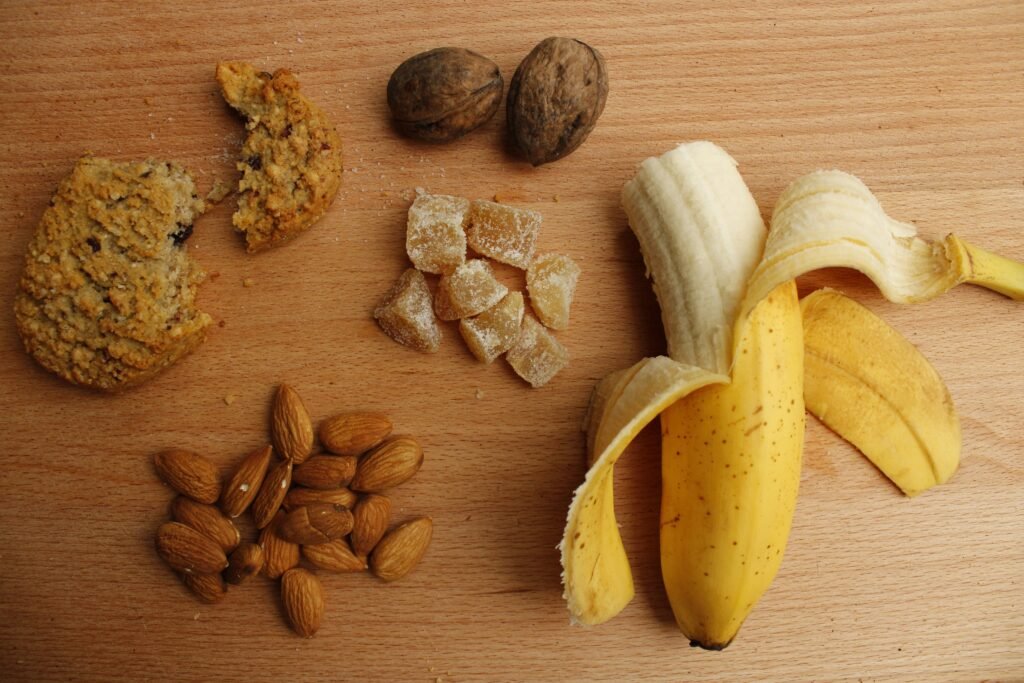
Do not respond to vomiting by offering fatty leftovers, large meals, or numerous treats. These can further irritate an already unsettled digestive system.
4. Follow veterinary feeding advice
For a dog that has stopped vomiting and remains otherwise well, a veterinarian may recommend gradually reintroducing small, easily digested meals. The appropriate feeding plan depends on the dog’s age, health, size, and reason for vomiting.
Puppies, elderly dogs, diabetic dogs, and dogs with existing medical conditions may require a different approach and should not be managed casually at home.
5. Monitor the whole dog
Check appetite, energy, bowel movements, water intake, urination, and comfort. A change in these areas can be more important than the yellow color itself.
Can a Late-Night Meal Help?
If some otherwise healthy dog gets into a repetitive pattern of early morning, bilious vomiting, then trying to shortening overnight fasting may resolve the issue.
When veterinary practices discuss management of bilious vomiting syndrome, one method suggested as a initial treatment option is giving the dogs a small, pre-bed time meal, since it could possibly shorten the time spent with a empty stomach.
This does not mean each dog that experiences yellow vomit must automatically have more to eat before bedtime, however.
Changing Feeding may only slow diagnosis and treatment of more serious health issues in a dog who is vomiting at other times of day, or in a sick dog who is nauseous, not interested in eating, losing weight, having bouts of diarrhea.
If you’re wondering why is my dog throwing up yellow liquid, and the pattern continues despite a feeding adjustment, a veterinarian should reassess the situation. Dietary changes, veterinary gastrointestinal diets, or medications may sometimes be considered depending on the underlying cause.
Common Mistakes Dog Owners Should Avoid
Assuming yellow vomit is always harmless
Bile is a common component of yellow vomit, but the presence of bile does not identify the cause. Serious gastrointestinal problems can also produce yellow fluid.
Waiting too long because the dog seems fine initially
Some conditions can begin with subtle symptoms and worsen over time. An intestinal obstruction, for example, may become increasingly serious as vomiting and appetite loss develop.
Giving human medication
Human anti-nausea, pain, or stomach medications are not automatically safe for dogs. Some can be harmful or interfere with veterinary treatment. Speak with a veterinarian before giving medication.
Trying to induce vomiting without veterinary direction
If you suspect your dog swallowed something toxic or dangerous, do not automatically try to make them vomit. The safest response depends on what was ingested, how long ago it happened, the dog’s condition, and the substance involved. Veterinary guidance is recommended.
Ignoring the frequency
A dog that occasionally vomits once is different from a dog vomiting repeatedly over several hours. Frequency, duration, and accompanying symptoms help determine how urgent the situation is.
When Should You Call a Veterinarian?
The question isn’t simply how yellow the vomit looks. The bigger concern is whether your dog is becoming ill.
Contact a veterinarian promptly if vomiting is repeated, severe, continues for several hours, or occurs alongside other symptoms. Veterinary sources specifically identify lethargy, poor appetite, diarrhea, abdominal pain, dehydration, blood in vomit, fever, and suspected toxin or foreign-object ingestion as reasons for veterinary attention.
Seek urgent veterinary care if your dog has signs such as:
- Repeated unsuccessful retching
- A swollen or distended abdomen
- Collapse or extreme weakness
- Blood in the vomit
- Severe abdominal pain
- Inability to keep water down
- Marked lethargy
- Suspected poisoning
- Suspected intestinal blockage
Repeated vomiting with abdominal swelling can be of greatest concern because more dangerous conditions (e.g. Gastric dilation-volvulus) may manifest as emergency and a lower threshold for calling the vet to patients (especially puppies, elderly animals, dogs with chronic underlying diseases) should be required, as vomiting may complicate their existing conditions or affect them faster than others.
What Will a Veterinarian Check?
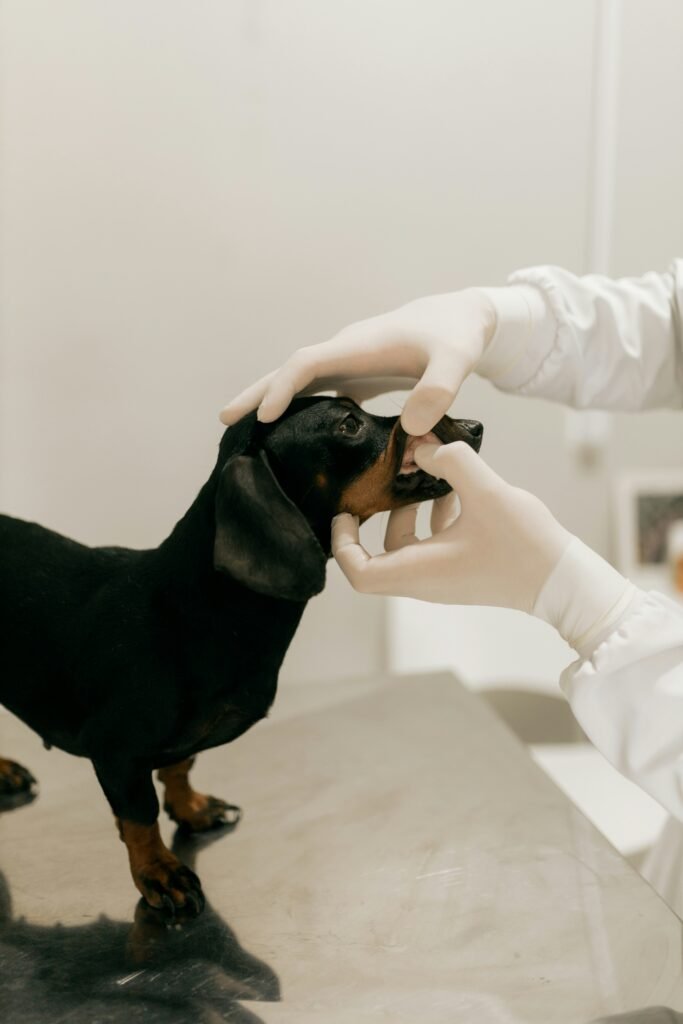
The vet is likely going to start with your dog’s history and a physical. Information such as the number of bouts of vomiting, when it happened, recent change in diet, any new medicines or potential exposure to toxins, appearance and frequency of stools, appetite and exposure to foreign objects are helpful.
If you’re wondering why is my dog throwing up yellow liquid, a veterinarian may recommend diagnostic testing depending on the findings.These tests might involve blood work and abdominal imaging like X-rays or an ultrasound. In cases where a bilious vomiting syndrome is suspected, further testing may be performed to rule out more life-threatening GI and systemic disease before coming to that conclusion.
Treatment is entirely dependent on what is causing the vomiting; minor GI upset may just need supportive care and dietary management and dehydrations may be treated with intravenous fluids, while a blockage, toxin exposure, pancreatitis or other serious disease may require more aggressive therapy.
This is why we aren’t trying to treat the color of the vomit, we are trying to determine why the dog is vomiting.
How to Keep Track of Recurrent Episodes
If the problem keeps returning, create a simple vomiting diary. Record:
- Date and time of each episode
- Color and approximate amount
- Whether food was present
- Last meal and treats
- Water intake
- Stool appearance
- Appetite afterward
- Energy level
- Any new food, medication, supplement, or environmental exposure
This can also allow the veterinarian to see if the problem is occurring in relation to feeding time or at the same time as other problems, while helping you follow dog health and wellness tips.
In relation to feeding time, an active dog that has produced a very small volume of yellowish discharge each day for the week prior to feeding time may have a very different clinical picture than a dog that is vomiting yellow fluid four or five times a day and refusing to eat.
Frequently Asked Questions
1.Is yellow liquid vomit always bile?
No, but yellow or yellow-green vomit commonly contains bile. Bile normally enters the small intestine and can appear in vomit when stomach contents are limited, particularly after the stomach has emptied. The color alone cannot determine the underlying cause.
2.Why does my dog vomit yellow liquid in the morning?
An early-morning episode can occur after a prolonged overnight fast. In otherwise healthy dogs with intermittent morning vomiting and normal appetite and energy, bilious vomiting syndrome is one possible explanation. Other causes should be considered if vomiting becomes frequent or other symptoms develop.
3.Should I be worried if my dog vomits yellow foam once?
A single episode in an otherwise healthy, alert dog may not represent an emergency. Monitor closely for additional vomiting, appetite changes, diarrhea, lethargy, abdominal pain, or other abnormalities. If your dog becomes unwell or the vomiting continues, contact your veterinarian.
4.Can an empty stomach cause yellow vomiting?
Yes. When a dog’s stomach has been empty for an extended period, bile may irritate the stomach and contribute to vomiting. This is one reason some dogs with bilious vomiting syndrome vomit yellow fluid in the early morning.
5.Should I give my dog food after vomiting?
The appropriate feeding plan depends on the dog’s age, health, symptoms, and reason for vomiting. If vomiting has stopped and the dog is otherwise well, a veterinarian may recommend gradually introducing small meals. Dogs that continue vomiting or have other symptoms need professional guidance rather than repeated feeding experiments.
6.What if my dog is throwing up yellow liquid and has diarrhea?
The combination can indicate gastrointestinal inflammation or another illness rather than simple empty-stomach vomiting. Gastroenteritis commonly causes both vomiting and diarrhea, and ongoing fluid loss can contribute to dehydration. Contact your veterinarian if both symptoms occur, especially if your dog is lethargic, painful, refusing food or water, or vomiting repeatedly.
7.What if my dog keeps vomiting but still seems normal?
A dog can appear relatively normal during the early stages of some illnesses. Repeated vomiting is therefore worth taking seriously even when energy levels initially seem normal. If the episodes continue, contact your veterinarian for advice rather than relying on the dog’s temporary appearance.
Final Takeaway
If you are wondering why is my dog throwing up yellow liquid, the yellow color often comes from bile, particularly when the stomach is empty.A rare morning episode in a otherwise healthy dog might be attributed to long periods without food or bilious vomiting, but yellow vomit might also go with a digestive bug, dietary irritant, pancreatitis, parasites, obstruction and more. Focus on the overall symptoms rather than JUST the color. If your dog has recurrent vomiting, diarrhea, is having stomach pain, vomiting blood, is lethargic, not eating or drinking, appears dehydrated, seems to have possibly ingested a toxic or non-digestible object then contact the veterinarian sooner rather than later. When in doubt get your vet on the line.
Conclusion
If you’re wondering why is my dog throwing up yellow liquid, the yellow color often comes from bile, especially when the stomach has been empty for several hours. One episode of early morning vomiting in a otherwise healthy dog might be due to bilious vomiting, but repeated vomiting could be an early indication of GI irritation, parasites, pancreatitis, an intestinal blockage or other underlying condition. Concentrate more on the whole picture than on the color of the vomit. Contact your vet right away if your dog’s vomiting is recurring, they cannot keep water down, become lethargic, begin to develop diarrhea, abdominal pain, or a distended abdomen, or if you notice blood in their vomit.








