

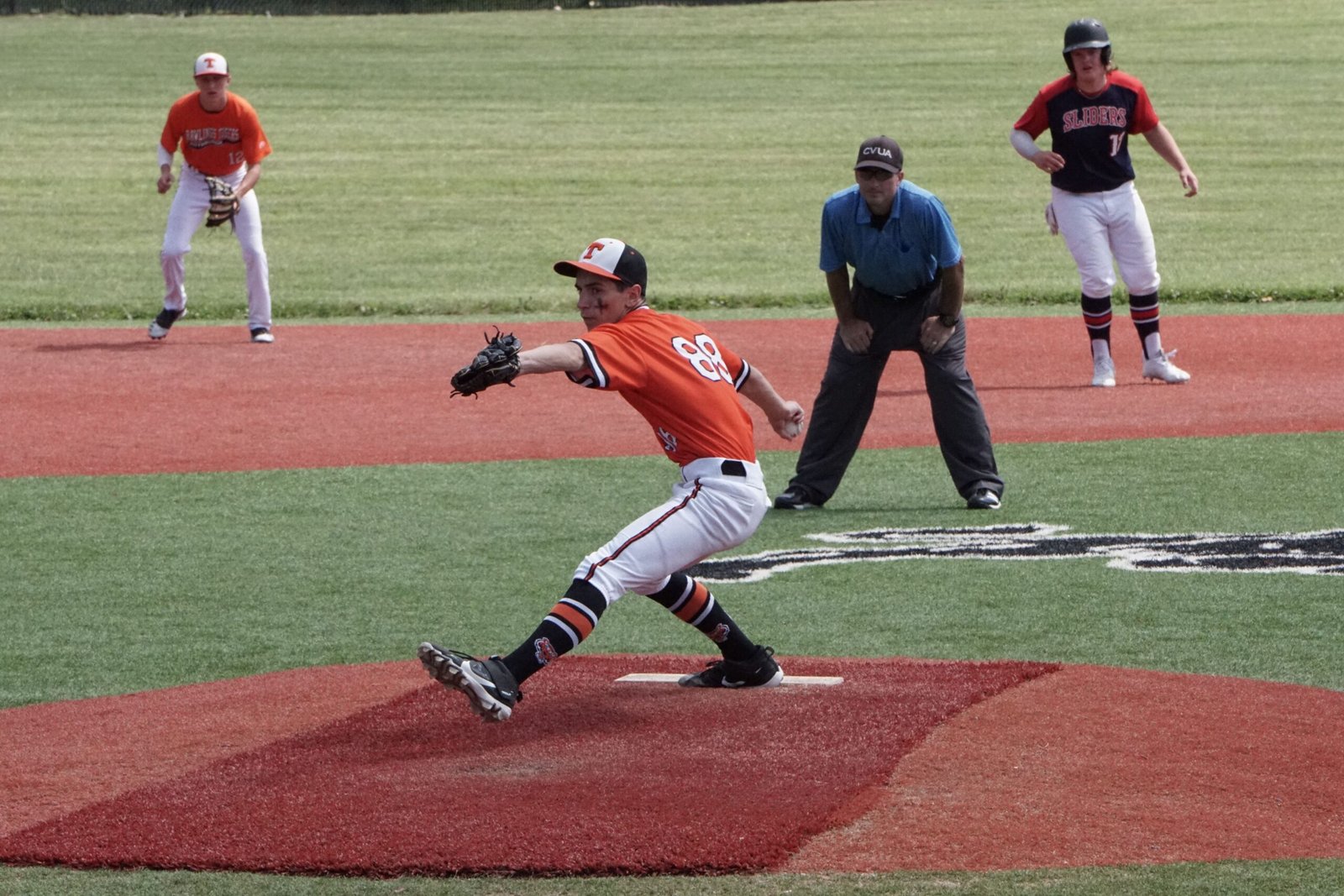
Baseball is more than a popular sport in Japan. For generations, it has been woven into school life, local identity, professional sports, family traditions, and national culture. That helps explain why is baseball popular in Japan, even though the sport originated in the United States.
When baseball reached Japan in the late 19th century, it spread farther than any mere foreign game could possibly be allowed to. Baseball was integrated into Japan’s education system, into university rivalries and the Japanese sports scene as a whole before it bloomed as one of Japan’s defining pop cultural phenomena. The game also got some of its own traditions as Japanese baseball, all the organized chants, team songs and of course the somewhat uncanny significance of the high school tournament.
Professional baseball games are extremely popular as well. Nippon Professional Baseball continued to bring in millions of fans, and baseball in high school at Koshien has become a cultural festival for many. Total attendance for Nippon Professional Baseball regular season games in 2025 was 26,712,528, the most at the time.
So how did it become so deeply rooted in the fabric of the nation? That comes down to history, education, rivalry, community, media, tradition and how Japanese society moulded it into their very own form.
Baseball Has a Long History in Japan
One of the biggest reasons for baseball’s popularity is simply how long the sport has been part of Japanese society.
Baseball was brought to Japan in 1872 by the American educator Horace Wilson, marking an important moment in the history of baseball in Japan. He was the first to teach the sport to students of what would later be the First Higher School in Tokyo. Through the students and educators, it soon spread to schools and organizations throughout Japan, and today the Japan Professional Baseball association says that this date marks the first steps in Japanese baseball history.
That early connection with schools proved especially important.
Rather than a sport of diversion for a select group, however, baseball began to become a sport of education, organized competition, and physical development. School teams created routine games, rivalries, and tradition that could be transmitted from father to son.
By the time professional baseball developed, millions of people were already familiar with the sport.
This long history means baseball does not feel like a recently imported game to many Japanese fans. It has been part of modern Japanese life for well over a century.
Schools Played a Major Role in Making Baseball Popular
School sports have made a significant contribution to the Japanese baseball culture.
The young people are introduced to the sport at an early age whether they are playing, watching school baseball or being a fan of successful school teams.
Moreover, school baseball provided a pathway for players from their childhood passion for the sport to a professional level.
This is an essential element in the development of baseball culture. It gives the sport its own unique storytelling. The fans can watch their beloved player growing up, competing at different levels and becoming a star. Such stories are very common in Japanese baseball culture because of school baseball.
School sports also serve to build the connection with the sport in those who are not willing to invest time and effort into serious baseball training. They might become fans of their local school team and its athletes, being supportive throughout their journey on and off the field.
Also, the culture surrounding school sports provides opportunities for engagement for everyone: parents, students, and local authorities. Classmates, teachers, and parents can gather to watch the game or show their support in any other way.
This is how school baseball has become a key component of the Japanese baseball culture and an important part of the history of any young baseball player in the country.
It explains why the amateur and high school leagues are so popular in the country compared to other nations.
Koshien Turned High School Baseball Into a National Tradition
If there is one institution that helps explain why is baseball popular in Japan, it is Koshien.
The National High School Baseball Championship is held at Hanshin Koshien Stadium in Hyogo Prefecture. The tournament has a long history dating back to 1915, while the stadium itself opened its doors to the public in 1924.
The Koshien tournament is much more than just another school sports event.
For student players, participating in it can be the realization of a dream, while for fans it provides the opportunity to experience the spirit of rivalry, loyalty, and friendship.
Moreover, teams from all over the country gather here, which means that you can root for your favorite from the whole country and not just the school. This is because a sports game can bring together a much wider community than just students from one school.
Moreover, the tournament gives participants a chance to become famous heroes. According to Japan’s official tourism agency, the Koshien tournaments in spring and summer have a reputation for creating idols; that is, players who have a great future ahead of them in the professional game. And this is not surprising if you consider how many young players from participating teams get a chance to play in front of a huge audience. Consequently, this competition unites high school baseball with major league baseball.
Baseball Became Part of Local Identity
Professional baseball in Japan is strongly linked with local communities.
At the moment, NPB consists of 12 teams split into two leagues, the Central League and the Pacific League. People tend to be very loyal to the team representing their city or region.
This connection makes baseball a social phenomenon. It can be a family tradition to support a certain team.
For instance, rivalries can be regional, reflecting the complex relationships between different parts of Japan.
That is why people stick to their teams, supporting them and their rivals. The tradition can continue to be passed down through generations, much like sports traditions and cultural practices that remain important to communities over time. People can go to games with their parents, being introduced to their team as children. Such a tradition cannot be lost, as the population of Japan grows older and interested in other, non-baseball sports. However, baseball has so far proven to be a real cultural phenomenon, being able to retain its popularity for generations.
Japanese Baseball Has Its Own Style
Another important answer to why is baseball popular in Japan is that Japan did not simply copy American baseball.
The sport has developed its own traditions and expectations.
Japanese baseball is typically characterized by the spirit of teamwork, thorough preparation, organized cheering, and respect for the game structure. At the same time, professional leagues have unique traditions that distinguish them from American and other westerners’ experiences.
In particular, Japanese baseball fans have a highly ritualized and choreographed method of supporting their favorite teams. According to the Japan National Tourism Organization, one of the most notable characteristics of Japanese baseball is the oendan, which are special squads of fans, highlighting Japanese baseball fan culture and stadium traditions. They lead the games’ ululations, rhythmic song, and drumming.
The cheering sections full of fans lead the oendan songs during the game and perform various dances, creating an incredible atmosphere. It is noteworthy that the fan activity is not limited to the oendans. Japanese baseball fans engage in a genuinely participatory activity. This dynamic involvement generates an unforgettable atmosphere for everyone who visits a stadium to watch a game.
The Fan Experience Is Part of Baseball’s Appeal
Watching baseball games in Japan can be much more enjoyable than it seems.
The crowd often displays team colors, sings, chants, or has other various traditions. The teams have their own unique identities, and so do their players. Overall, it is a place where you can bring your friends to enjoy a nice evening out and have a good time.
Sports are important because they can keep people coming back to watch them play
Instead of focusing on the competitiveness of the games, people should focus on making the sport something more. Going to a baseball game can be an experience, for example, you can take your kids, get some stadium food, support your hometown team, and enjoy a fun night out. All of these things make up a tradition that people love to take part in. Even if a team is not winning very often, their fans still keep coming back to watch them play because of the overall fun experience they will have during the game.
Professional Baseball Created Generational Stars
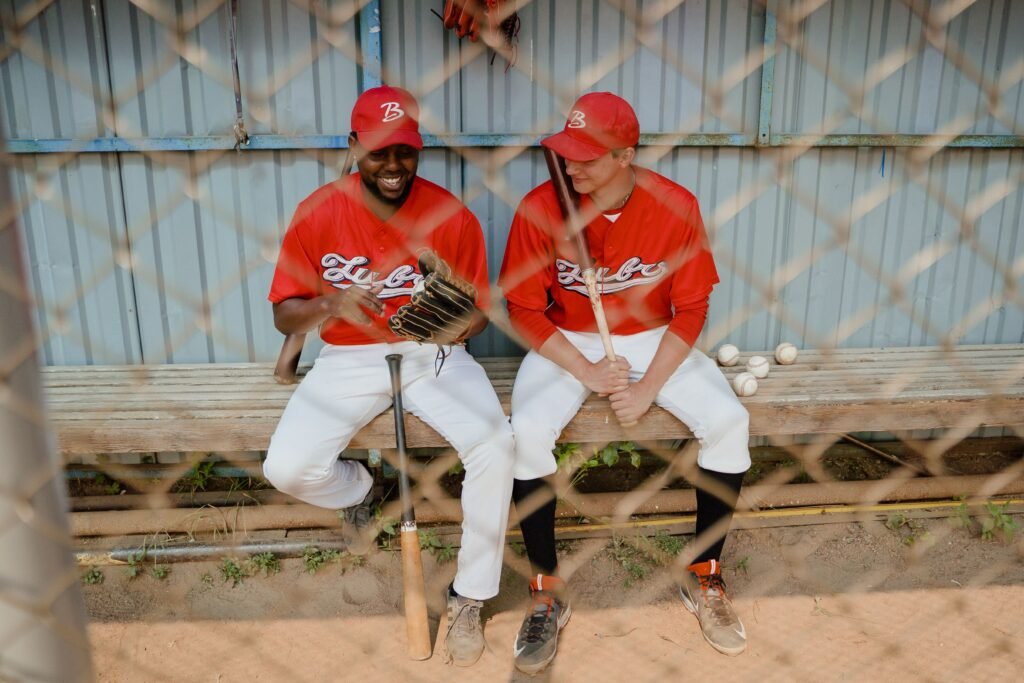
Japan has also produced baseball players who have become national icons
Players such as Sadaharu Oh, Ichiro Suzuki, Hideki Matsui, and Shohei Ohtani have been able to bridge Japanese and international audiences.
Their careers are indicative of the fact that the Japanese baseball scene can produce world class players;
Ichiro was one of the most celebrated Japanese players in Major League Baseball, and Ohtani’s two-way ability has garnered international attention.
Additionally, they provide an inspiration for young fans to look up to.
A child who sees a Japanese baseball star flourish in an international competition may be inspired to learn about the sport himself; and in this way, successful players help to strengthen the connection between grassroots, professional, and international baseball.
Media Helped Baseball Become Part of Everyday Life
Television and other forms of media have played a major role in ensuring the sport’s visibility.
The Japan Professional Baseball organization keeps a timeline of the sport’s history, including a rise in televised baseball coverage in the postwar period, beginning in 1953.
This allowed fans to keep up with the sport even if they were unable to witness a game firsthand.
Over time, it has become a part of in-home entertainment.
Today, digital media has helped to expand this further: a fan can view a range of material, from statistics to summaries to interviews to player news to games themselves.
While the technology has changed, this kind of cultural connection remains vital.
Competition and Discipline Fit the Sport’s Structure
Baseball also has qualities that are rewarded by a culture that traditionally values preparation, repetition, team-work, and discipline.
While there are elements of individual skill, the structure of the game is such that it rewards a coordinated effort by the whole team.
A batter must practice his timing and technique, the pitchers must study their opponents, the fielders must watch and position themselves wisely, and the coaches must watch the game unfold and determine what the team needs in order to win.
This is a game where preparation is rewarded.
Japanese baseball, like Japanese sports in general, has a reputation for emphasizing fundamentals and systematic practice (particularly in school sports). While this may vary from team to team, this culture has helped to make baseball a sport that is steeped in tradition and good old-fashioned hard work.
Baseball Connects Youth, School, and Professional Sports
Another reason why the sport has had such a firm grasp on the country is the connection between levels of competition.
A young boy who shows promise may be able to advance from his local team to school baseball, play in high school, go on to university, join corporate or amateur baseball, and potentially move on to the professional leagues.
Of course, not all do – but the fact that it is possible is an advantage that is unique to Japanese baseball.
The Koshien is a significant milestone for any young player, and the professional teams have a draft system in place to select promising amateur players; that way, a talented player can aspire to not only impress their high school coaches, but also make it into the professional ranks.
This adds an additional layer of competition that makes school league games exciting to both play and watch.
Baseball Benefits From Strong Regional Rivalries
Rivalries are a significant part of sports, and Japanese professional baseball has some historic, widely-followed rivalries.
The Japan National Tourism Organization has a page dedicated to the sport which lists the fierce rivalries between teams, including the highly anticipated games between the Yomiuri Giants and Hanshin Tigers.
These rivalries are indicative of a rich history full of memorable games and events that fans still talk about today; and this legacy is passed on from generation to generation, making sports a part of the culture for decades, if not centuries.
People remember the shocking upsets, the heartbreaking losses, the legendary players who have graced the stadiums, the controversial calls made by umpires, and the incredible performances that define a game.
This helps to cement a lasting relationship with the sport, and is yet another reason why Japanese baseball has endured for so long.
Baseball Has Strong National Significance
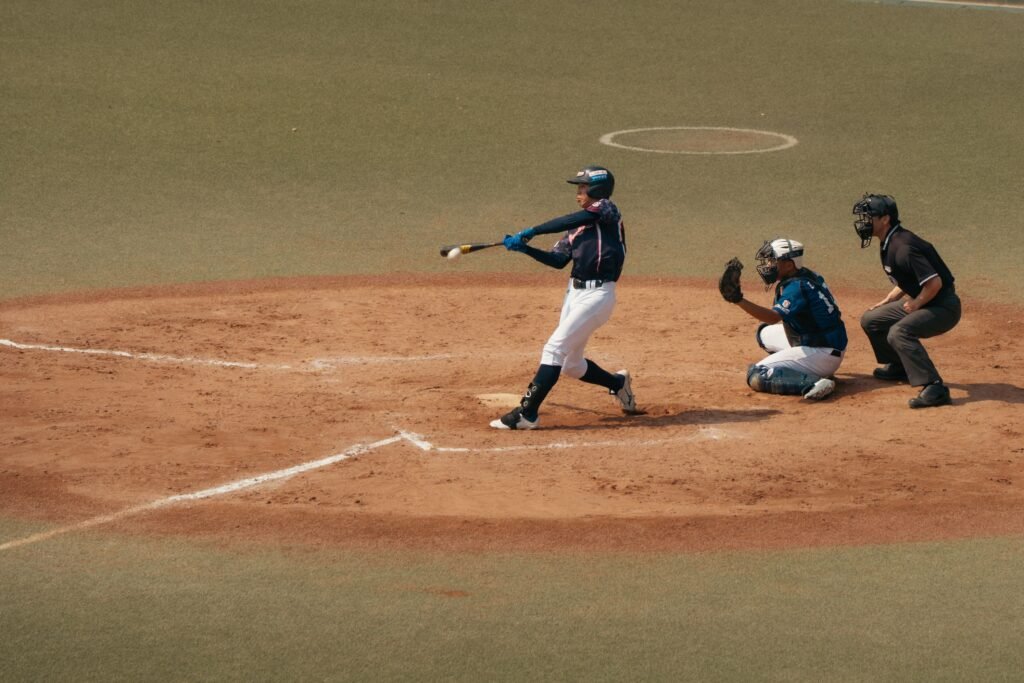
Baseball is also deeply ingrained with the country’s sense of national identity.
International competitions are a chance for Japanese sports fans to see players from different leagues band together under the Japanese flag.
At the same time, Japanese players’ successes have been able to enhance the prestige of the sport in Japan.
The Japan national team has been able to influence the perception of the sport not only in Japan, but abroad.
This exchange has also enriched the experience of Japanese baseball fans; Japanese players have become batters and pitchers in Major League Baseball, and international competitions have created a unique space in which Japanese and international baseball fans can share in their passion for the sport.
It is this two-way exchange that has been pivotal in building the sport’s presence in the country.
Professional Baseball Remains Extremely Popular
While the sport has a long, storied history, its present success is still very much present.
Modern attendance numbers show that Japanese fans have no problem filling up stadiums to watch the sport they love.
NPB released attendance numbers for the 2025 season, recording 26,742,631 admissions for the regular season – a new annual record.
Interest in the sport has not dwindled in the 2026 season either; as of September 8, 2026, NPB has reported more than 23.4 million regular-season admissions for 743 games, an average of 31,622 fans per game.
These numbers indicate a continued presence in modern popular culture.
The popularity of the sport in the 21st century is not a product of nostalgia – people are still watching the games, buying merchandise, cheering at the stadiums, and enjoying the sport at a grassroots level.
Baseball Is Popular Beyond Professional Games
It is easy to think of Japanese baseball in terms of professional leagues, but the sport has a rich history and deep-rooted cultural significance.
High school baseball has long been a staple of the Japanese sports scene, and there’s also a rich tradition of university baseball.
Amateur and youth divisions help to create a cultural presence that reaches far and wide, connecting people of all ages with the sport.
Someone who played high school baseball can continue to follow the sport in college or in the professional leagues, or can become a fan of their old school team.
In this way, the sport has unique staying power in popular culture.
Why Baseball Has Stayed Popular Despite Other Sports
In these sports, as in others, a community of practice of considerable depth has evolved in Japan; a lack of competition in baseball can’t solely account for its prevalence. Instead, baseball enjoys an innate, generations-old edge. Long history, well-established school competitions, established team franchises with regional flavor, a singular national institution, international stars, and a recognizable game culture – these each reinforce the other.
While this is a virtuous cycle for baseball, there is also a cyclical aspect to its popularity; a child learns the sport in school, watchesKoshienwith family, supports a professional team, and introduces the sport to their own children.
This, to some extent, ensures its enduring appeal.
What Makes Japanese Baseball Different From American Baseball?
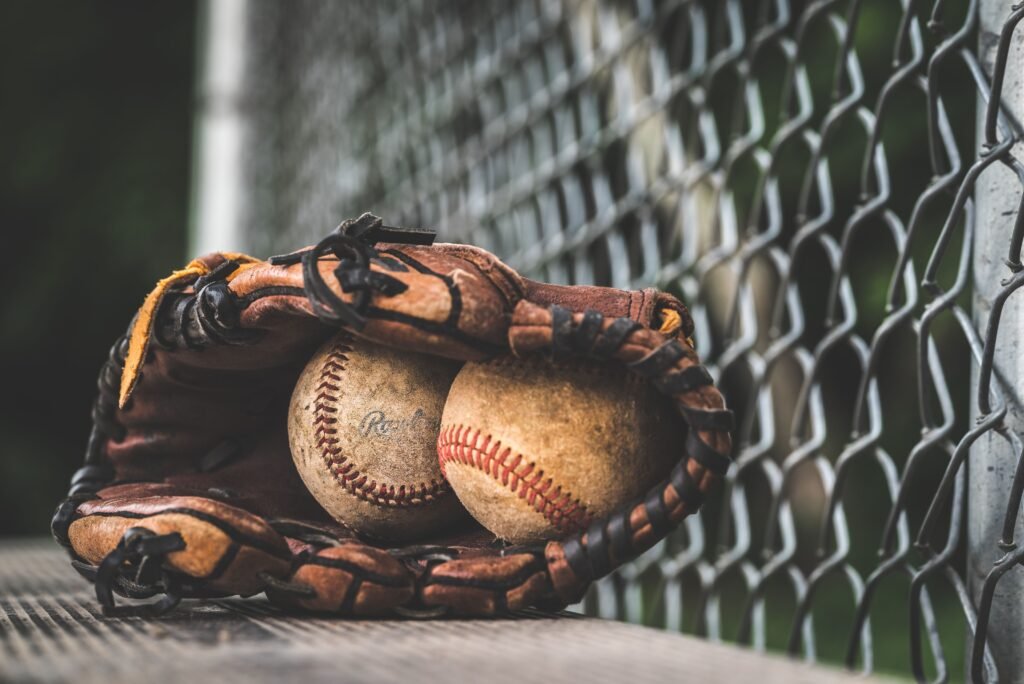
Rules of baseball are fundamentally similar between Japan and other places; however, the surrounding culture appears quite different between Japan and other countries.
Atmosphere-one the striking distinctions of Japanese baseball. Japanese stadiums are noted for ordered fan cheering, directed songs and vigorous cheering groups. There are also two professional baseball leagues, which are called Central League and Pacific League. They play each other in the Japan Series and determine who becomes champion of all of Japan.
The importance of high school baseball-another the striking distinction. College sports get quite amount of attention toward student athlete, while there is an outstanding relationship between high school baseball and nationwide popularity in Japan such as Koshien. This characteristic of Japanese baseball constitutes unique culture of Japanese baseball.
The Cultural Meaning of Koshien
Koshien is significant because so much about it goes to defining the qualities that helped baseball establish roots and become popular throughout Japan. It is youth, competition, regional pride, training, will to persevere and tradition-all in one. Given the short life span of the players to compete-the stakes are heightened and emotionally significant with each ensuing year.
Spectators root not just for teams to win but for players’ personal narratives as teams progress through-and in some cases, falter in-the tournament.
Some viewers enjoy the sentimental connection to their own adolescence. Others simply acknowledge it as one of the year’s most thrilling sporting events. Regardless of viewers’ experiences and connections to the tournament-there is little doubt that Koshien, more than just a sporting event, holds an element in Japanese culture and society.
Why Is Baseball Popular in Japan Today?
So, why is baseball popular in Japan today?
There is no single explanation.
Its popularity comes from more than 150 years of development since the sport was introduced to Japan.
A high school tournament structure fostered strong national rituals. Professional clubs solidified themselves with distinct, strong identities in different parts of the country. The broadcast television, which delivered baseball into every living room. The legendary players whom inspired new waves of young fans. Stadium culture, which enabled fans to witness the game, participate in the action through communal feeling of chanting. Moreover, success in international baseball, provided the sport with new layers of importance for the country.
But, what really established baseball in Japan were the things that make baseball Japanese.
Though, the origin may not be here, many rituals grew around this new form of entertainment in the country. Through the integration of foreign rules and domestic culture, this foreign game successfully developed itself into a major part of the national character.
Frequently Asked Questions
When was baseball introduced to Japan?
Baseball was first introduced to Japan in 1872. The sport was taught to Japanese students by the American educator Horace Wilson. It later became popular throughout Japan in schools and universities.
Is baseball the most popular sport in Japan?
There are numerous sports in Japan, but baseball is among the most popular. Notably, the Japanese love football, so much that it can be described as a national sport. Therefore, it would not be accurate to say that baseball is the most popular sport in Japan.
Why is Koshien so big in Japan?
Koshien is famous for hosting the annual high school baseball tournament. This sporting event unites the whole country as it brings together schools, families, and regions. The tournament also serves as a platform for discovering young baseball talents.
What do you call baseball players in Japan?
The most successful baseball league in Japan is called Nippon Professional Baseball or NPB. This league is split into two divisions: the Central League and the Pacific League.
Do Japanese students play baseball in schools?
Japanese schools have played an essential role in the history of baseball in Japan. School baseball has significantly impacted the fame and popularity of the sport. Therefore, it is safe to say that baseball in Japan is strongly connected with schools.
Why do Japanese baseball fans make so much noise?
Japanese baseball fans are known worldwide for their unique way of supporting their favorite team. Sometimes, the whole stadium sings, dances, and beats drums at the same time to create a deafening noise. In addition, fans form unique song and cheer sections to show their energy and interest for the sport.
Do Japanese baseball players have any notable names?
Many Japanese baseball players have made outstanding careers. Their names are well-known not only in Japan but around the globe. Some of the most popular Japanese baseball players are Ichiro Suzuki, Hideki Matsui, Shohei Ohtani, and so on.
Final Statement
The question of why baseball was popular in Japan can be answered in one word: tradition. Baseball has a rich history in Japan because it has integrated into the country’s culture. In the 19th century, it was introduced to the Japanese by an American educator. However, it became popular throughout Japan because it was actively played in schools. There, the sport became part of the culture as students played it and watched it. Local leagues also contributed to the popularity of baseball as they gave fans a team to support. Moreover, Koshien and school baseball became a nationwide event.
The Japanese love sports, and they try to fill stadiums and arenas during the games. The unique way of cheering for their team shows how passionate Japanese fans are about baseball. Therefore, it was no surprise that the whole world saw the enthusiastic fans during the most recent World Base Ball Classic. All of these factors made baseball popular in Japan and still keep it popular.








