

If you’ve been wondering what is a reusable straw made of, the short answer is: most are made from stainless steel, glass, silicone, or bamboo. Each material behaves differently in terms of taste, durability, heat resistance, and safety, and the “best” choice depends on how you drink, what you drink, and how much hassle you’re willing to handle.
This guide walks you through exactly what reusable straws are made of, what the research says about safety, how to clean and care for them, and how to pick the right material for your needs—without hype, greenwashing, or vague claims.
Quick Answer: Common Reusable Straw Materials
Before diving into details, here’s the plain-language overview:
- Stainless steel straws – Made from food-grade steel (usually 304/18‑8). Very durable, good for hot and cold drinks, long lifespan.
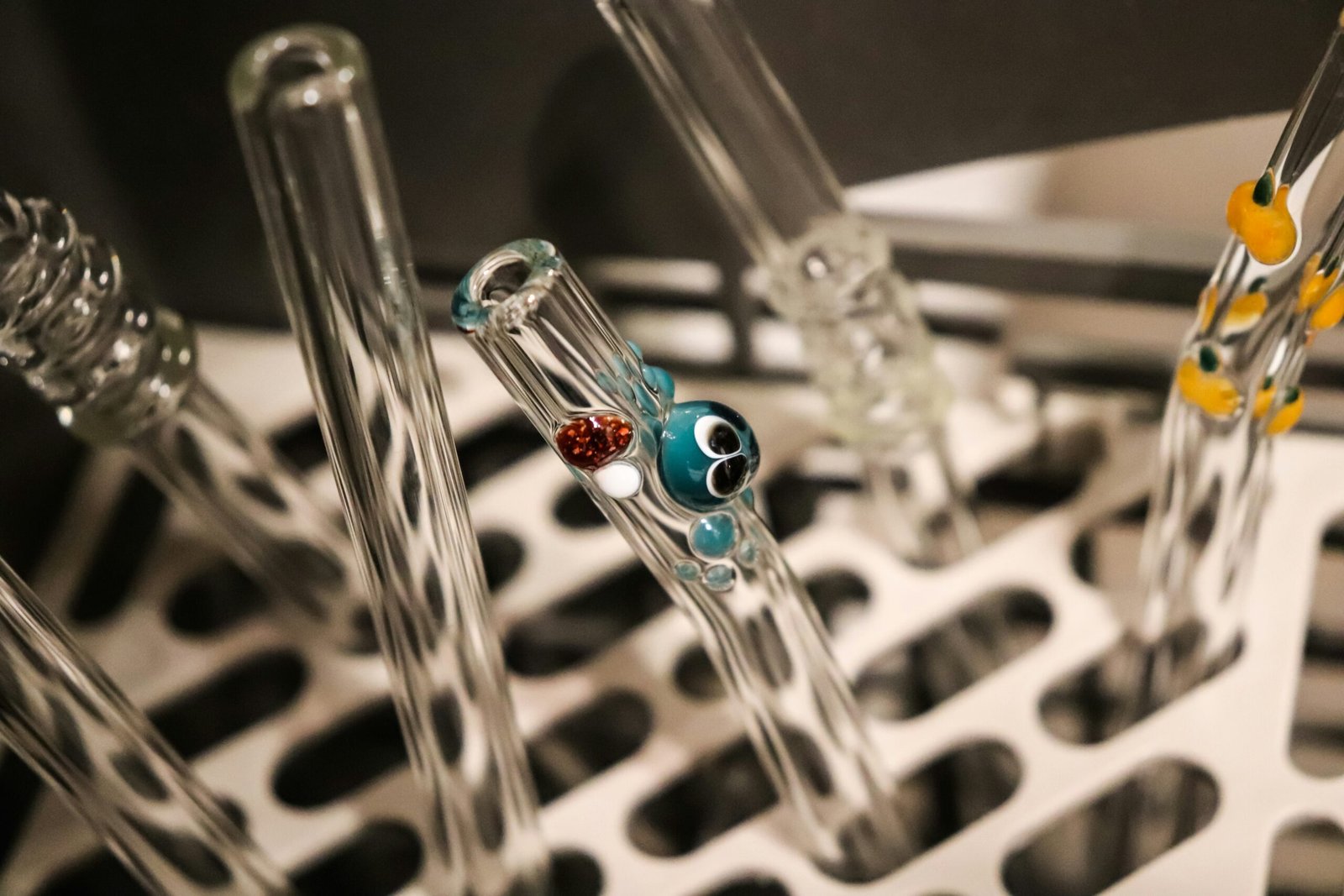
- Glass straws – Made from soda-lime or borosilicate glass. Taste-neutral, easy to see when clean, but can break if dropped.
- Silicone straws – Made from food-grade silicone (a flexible, rubber-like polymer). Soft on teeth, great for kids and travel, can retain odors over time.
- Bamboo and reed straws – Made from natural plant stalks that are cleaned and shaped. Biodegradable and natural-looking, but require careful hand-washing and drying.
Less common options include PLA/PHA “bioplastic” straws, edible straws, and traditional metal bombilla straws for mate, but the four materials above dominate the reusable market.
Why People Are Switching from Plastic Straws
Understanding why so many people are moving away from single-use plastic helps explain the rise of reusable options.
Environmental concerns with single-use plastic
Despite only being used for minutes, plastic straws can take hundreds of years to degrade. Plastic straws pollute oceans, fragment into microplastics and are too small to be recycled in many municipal recycling facilities.
Research has also found microplastic shearing from plastic straws, which is more likely when using them with hot or acid drinks. So that’s why so many consumers and operators are curious about what makes a reusable straw and if other materials reduce this risk.
Laws, bans, and brand changes
While many local cities, states and nations have ban single-use plastic straws, large restaurant chains have scrapped them voluntarily or adopted “on request only” policies.
Reusable straws are a popular alternative for consumers and businesses still looking for the convenience of a straw without the persistent waste and regulatory hassle.
What Each Reusable Straw Material Is Made Of
This is the core of the question: what is a reusable straw made of, and how do those materials differ in real life?
Stainless Steel Straws
What they’re made of
Most stainless steel straws are made from food-grade 304 (also called 18‑8) stainless steel. This alloy contains iron, chromium, and nickel, which together create a corrosion-resistant, food-safe surface.
How they’re made (in brief)
Manufacturers form thin steel tubes, cut them to length, polish the edges, and sometimes add colored coatings or textured finishes. Higher-quality versions will explicitly state “304” or “18‑8” on the packaging.
Key properties
- Extremely durable; can last for years with basic care.
- Suitable for both hot and cold beverages, though metal can conduct heat and feel warm or cold to the lips.
- Generally taste-neutral, though some people notice a faint metallic sensation, especially with acidic drinks.
Safety notes
In a 2023 peer-reviewed study testing drinking straws for PFAS (“forever chemicals”), stainless steel straws mostly tested negative or had very low detection rates compared with some paper and bamboo products.
That said, not all metal straws are equal. Very cheap, unbranded products may use lower-grade metals or unclear alloys. Looking for “304” or “18‑8” labeling is a simple way to reduce risk.
Best for
Daily use, commuting, hot coffee or tea (with caution), and anyone who wants a nearly indestructible straw.
What to look for: “304” or “18‑8” stainless steel, smooth polished edges, and an included cleaning brush.
Glass Straws
What they’re made of
Glass straws are typically made from either soda-lime glass (common household glass) or borosilicate glass (the same material used in many lab and kitchen items).
How they’re made (in brief)
Glass tubing is heated, shaped, and annealed to relieve internal stress. Borosilicate glass contains other elements that make it more resistant to thermal shock, which is the rapid temperature change that can cause cracking.
Key properties
- Chemically inert; does not react with drinks or impart flavor.
- Transparent, so you can easily see residue or buildup inside.
- More fragile than metal or silicone; can chip or break if dropped on a hard surface.
Safety notes
Glass does not contain PFAS, BPA, or plasticizers, and it remains stable under normal drinking conditions.
For hot beverages, borosilicate glass is preferable because it tolerates higher temperatures and sudden changes better than standard soda-lime glass.
Best for
Home use, iced drinks, hot drinks (especially with borosilicate), and people who want completely taste-neutral sipping.
Tip: If you regularly drink very hot liquids, choose borosilicate glass over standard soda-lime glass to reduce the risk of cracking.
Silicone Straws
What they’re made of
Silicone straws are made from food-grade silicone, a synthetic polymer that behaves like a flexible, heat-resistant rubber and is commonly evaluated under food contact safety standards.Reputable brands often reference compliance with FDA (US) or LFGB (EU) food-contact standards.
How they’re made (in brief)
Liquid silicone is injected into molds to create straws in various colors, diameters, and shapes, including collapsible travel designs.
Key properties
- Soft and flexible for a gentle feel on your teeth and gums.
- Ideal for children, people with dental sensitivity, and those who prefer a softer mouthfeel.
- Can absorb strong colors or odors over time (e.g., from turmeric lattes, berry smoothies).
Safety notes
In PFAS testing, food-grade silicone straws have generally shown low or non-detect levels compared with some paper and bamboo options.
As with any food-contact material, it’s wise to avoid very cheap, unbranded silicone products that don’t specify food-grade status or safety certifications.
Best for
Kids, people with sensitive teeth or braces, thick drinks like smoothies and bubble tea (in wider diameters), and travel-friendly collapsible designs.
Checklist: Look for “food-grade silicone,” LFGB or FDA mentions, and avoid products with a strong rubber smell.
Bamboo and Reed Straws
What they’re made of
Bamboo and reed straws are made from natural plant stalks that are cut, sanded, and cleaned. Some are lightly polished or treated with food-safe oils, while others are left completely raw.
How they’re made (in brief)
Stalks are harvested, cut to length, hollowed if needed, sanded smooth, and sometimes lightly oiled. Because they’re natural, each straw varies slightly in diameter and texture.
Key properties
- Biodegradable and compostable when untreated.
- Natural appearance and slight earthy feel; may impart a subtle taste, especially when new.
- Less durable than metal, glass, or silicone; can crack, split, or develop mold if not dried properly.
Safety notes
The same 2023 study found PFAS in a notable share of tested bamboo and paper straws, though results varied by brand and coating.
That doesn’t mean all bamboo straws are unsafe, but it does suggest choosing reputable brands, avoiding heavily coated or brightly dyed products, and being strict about cleaning and drying.
Best for
Eco-focused users, occasional use, cold drinks, and people who prefer natural, plastic-free materials and are willing to follow careful care routines.
Warning: Do not put bamboo straws in the dishwasher. Hand-wash with mild soap, rinse well, and air-dry completely to reduce mold risk.
Other Reusable or Alternative Materials (Brief)
You may also encounter:
- PLA/PHA “bioplastic” straws – Made from plant-based polymers; often compostable only in industrial facilities and not ideal for very hot drinks.
- Edible straws – Made from grains, sugars, chocolate, or similar ingredients; single-use but compostable or edible.
- Bombilla straws – Traditional metal straws with filters for drinking mate, usually stainless steel or silver.
These are interesting niches but less central when asking what is a reusable straw made of for everyday use.
Reusable Straw Materials Compared
To make choosing easier, here’s a side-by-side view of the main materials.
| Material | Typical composition | Durability & lifespan | Taste impact | Heat tolerance | Dishwasher-safe? | Known chemical concerns | Best use cases |
| Stainless steel | 304/18‑8 food-grade steel | Very high; years with care | Minimal to none | High (can conduct heat) | Usually yes | Low PFAS detection in studies | Daily use, travel, hot/cold drinks, durability-focused users |
| Glass | Soda-lime or borosilicate glass | Moderate; can break if dropped | None | High (borosilicate best) | Often yes, but hand-wash recommended | None detected; chemically inert | Home use, flavor-sensitive drinks, hot beverages (borosilicate) |
| Silicone | Food-grade silicone polymer | High; flexible, stainable over time | Slight (can retain odors) | Medium (check brand limits) | Usually yes (top rack) | Low PFAS detection in studies | Kids, sensitive teeth, thick drinks, travel |
| Bamboo / reed | Natural plant stalks, sometimes oiled | Low to moderate; care-intensive | Slight earthy note | Low to medium | No | Some products tested positive for PFAS | Occasional use, cold drinks, natural-material preference |
Use this table to quickly narrow down which material aligns with your priorities: durability, taste, heat, cleaning convenience, or chemical concerns.
Safety and Health: What the Research Says
When people ask what is a reusable straw made of, they’re often really asking: “Is this safe for me and my family?”
PFAS and chemical testing in reusable straws
A 2023 peer-reviewed study led by Belgian universities tested a range of drinking straws—paper, bamboo, plastic, glass, and stainless steel—for PFAS compounds.
Key takeaways:
- Glass and stainless steel straws mostly tested negative or had very low PFAS levels.
- Some paper and bamboo straws showed higher detection rates, though results varied by brand and coating.
- The study tested a limited number of products, mainly sold in Europe, so results don’t apply to every brand worldwide.
This doesn’t mean all bamboo or paper straws are dangerous, but it does suggest being cautious with cheap, unbranded, or heavily coated natural-fiber straws, especially if you plan to reuse them often.
Microplastics and plastic straw concerns
Plastic straws, typically made from polypropylene or similar polymers, can shed microplastics, especially when exposed to hot or acidic beverages.
Switching to non-plastic reusable materials like steel, glass, or silicone avoids this specific issue, though no material is entirely risk-free in every scenario.
Practical safety takeaways
Based on current evidence:
- For daily, long-term use, stainless steel, glass, and food-grade silicone are the most consistently low-risk options.
- If you prefer bamboo or paper, choose reputable brands, avoid reusing disposable-style straws indefinitely, and follow care instructions closely.
- Avoid using any straw—plastic or otherwise—with very hot liquids unless the manufacturer explicitly states it’s safe for high temperatures.
How to Clean and Care for Reusable Straws
Proper cleaning is essential for safety and longevity, yet many guides skip the details.
General cleaning tips
- Rinse the straw immediately after use to prevent residue from drying inside.
- Use a narrow straw brush with warm, soapy water at least once a day for frequent users.
- Once a week, do a deeper clean: soak in a mixture of warm water and white vinegar or a mild baking soda solution, then rinse thoroughly.
- Always allow straws to air-dry completely before storing; trapped moisture encourages mold and odors.
Care by material
- Stainless steel: Most are dishwasher-safe, but hand-washing with a brush extends their life. Check for dents or rough edges that could harbor bacteria.
- Glass: Hand-washing is gentler; use a protective case or sleeve to prevent chips and breaks. Avoid sudden extreme temperature changes, especially with soda-lime glass.
- Silicone: Usually dishwasher-safe on the top rack. If stains or odors develop, soak in vinegar water or a diluted hydrogen peroxide solution, then rinse well.
- Bamboo/reed: Hand-wash only with mild soap, rinse thoroughly, and stand upright to dry completely. Replace if you see cracks, dark spots, or persistent musty smells.
When to replace your reusable straw
Even durable straws don’t last forever. Consider replacing when you notice:
- Visible cracks, chips, or rough, sharp edges.
- Persistent odors or discoloration that won’t come out after deep cleaning.
- Any signs of mold, especially on bamboo or reed straws.
With proper care, stainless steel and glass straws can last for years, silicone straws for 1–3+ years depending on use, and bamboo/reed straws for months to a year or so.
Which Reusable Straw Should You Choose? (By Need)
The “best” material depends on your situation. Here are common scenarios.
- Maximum durability and travel: Stainless steel straws with a protective case. They survive drops, fit in bags, and handle hot and cold drinks well.
- Taste-neutral sipping at home: Glass straws, especially borosilicate if you drink hot beverages. You’ll notice no flavor transfer and can see when they’re clean.
- Kids, sensitive teeth, or medical needs: Food-grade silicone straws. Their flexibility reduces the risk of injury and is gentler on braces or sensitive gums.
- Eco-purists who prefer natural materials: Bamboo or reed straws, with strict hand-washing and drying routines and realistic expectations about lifespan.
- Bubble tea, smoothies, and thick drinks: Wide-diameter silicone or stainless steel straws designed for boba and shakes.
- People with disabilities or mobility issues: Flexible silicone or angled designs that are easier to position; avoid fragile glass if grip or coordination is limited.
Thinking through your typical drinks, environment (home, office, on the go), and any health considerations will make the decision much clearer than simply chasing the “most eco” label.
Cost and Value: Are Reusable Straws Worth It?
Reusable straws cost more upfront than a box of disposable plastic straws, but their value shows up over time.
Typical price ranges
Prices vary by brand and quality, but rough ranges look like this:
- Stainless steel sets: Often 8–20 for a multi-pack with a brush and case.
- Glass straws: Typically 10–25 for a small set, sometimes with a protective sleeve.
- Silicone straws: Around 8–20 for multi-color packs or collapsible travel sets.
- Bamboo/reed straws: Frequently 10–20 for a bundle of 10–20 straws.
Simple cost-per-use example
Consider a $12 set of four stainless steel straws. If you use just one straw per day and the set lasts five years:
- 5 years × 365 days = 1,825 uses
- $12 ÷ 1,825 ≈ $0.0066 per use
That’s less than one cent per use, not counting the fact that you likely have multiple straws in the set and may use them more than once a day. Compared with continually buying disposable straws or single-use alternatives, the long-term cost is very low.
For businesses and cafés
For cafés, offices, or event venues, bulk reusable straws can reduce ongoing purchasing costs and simplify compliance with local plastic restrictions. Many suppliers offer engraving or branding options, turning straws into a small but visible sustainability statement.
What to Look for When Buying Reusable Straws (Checklist)
Not all reusable straws are created equal. Use this checklist when deciding what is a reusable straw made of and which product to buy.
- Material grade:
- Stainless steel: “304” or “18‑8” clearly stated.
- Glass: Borosilicate preferred for hot drinks.
- Silicone: “Food-grade silicone,” ideally with FDA or LFGB references.
- Bamboo/reed: Untreated or lightly treated with food-safe oils; avoid heavy dyes or coatings.
- Design features: Smooth, polished edges; appropriate diameter and length for your drinks; included cleaning brush; protective case for travel.
- Brand transparency: Clear information about materials, manufacturing, and care instructions; avoid vague “eco-friendly” claims with no specifics.
- Packaging and end-of-life: Minimal plastic packaging; recyclable or compostable materials where possible.
Taking an extra minute to read product details can save you from buying low-quality straws that stain, break, or raise unnecessary safety concerns, especially when following practical sustainable product buying tips.
Environmental Impact and End-of-Life
Reusable straws are often marketed as an obvious environmental win, but it’s worth looking at the full picture.
How reusable straws reduce waste
A single reusable straw used daily for years can replace hundreds or even thousands of single-use straws. That reduction in manufacturing, transport, and disposal is where the main environmental benefit lies.
Material-specific end-of-life notes
- Stainless steel and glass: Widely recyclable in many municipal systems; their long lifespan means fewer replacements and less overall waste.
- Silicone: Not always accepted in standard recycling programs, but long product life offsets this; check local specialty recyclers if available.
- Bamboo/reed: Compostable if untreated; if coated or dyed, they may need to go in regular trash depending on local rules.
Avoiding “greenwashing”
Be skeptical of vague terms like “biodegradable” or “eco-friendly” without context. Some “bioplastic” straws only break down in industrial composting facilities, not in home compost or landfills.
Look for specific, verifiable claims about materials, certifications, and end-of-life options instead of relying on marketing slogans.
Frequently Asked Questions (FAQ)
1. What is a reusable straw made of?
Most reusable straws are made from stainless steel, glass, silicone, or bamboo/reed. Each material has different pros and cons for durability, taste, heat resistance, and cleaning.
2. Are reusable straws safe?
High-quality stainless steel, glass, and food-grade silicone straws are generally considered safe and have shown low or non-detect PFAS levels in testing. Some bamboo and paper straws have tested positive for PFAS, so choose reputable brands and follow care instructions.
3. Which reusable straw material is best?
There’s no single “best” material. Stainless steel is ideal for durability and travel, glass for taste neutrality, silicone for kids and sensitive teeth, and bamboo for natural, biodegradable options with careful maintenance.
4. Do reusable straws change the taste of drinks?
Glass and stainless steel typically have minimal to no taste impact. Silicone and bamboo may impart a slight flavor or retain odors over time, especially with strongly colored or aromatic drinks.
5. Can you use reusable straws for hot drinks?
Yes, but material matters. Stainless steel and borosilicate glass handle hot liquids well. Check silicone temperature limits, and avoid using bamboo or thin plastic-style straws with very hot beverages.
6. How long do reusable straws last?
With proper care, stainless steel and glass straws can last for years, silicone straws for 1–3+ years, and bamboo/reed straws for months to around a year, depending on use and maintenance.
7. Are bamboo straws better than plastic?
Bamboo Straws These are biodegradable and free from plastic, although several revealed a PFAS content, they do need to be washed and dried by hand. For everyday use over a period of time, stainless steel, glass and food-grade silicone are generally a safer option.








