

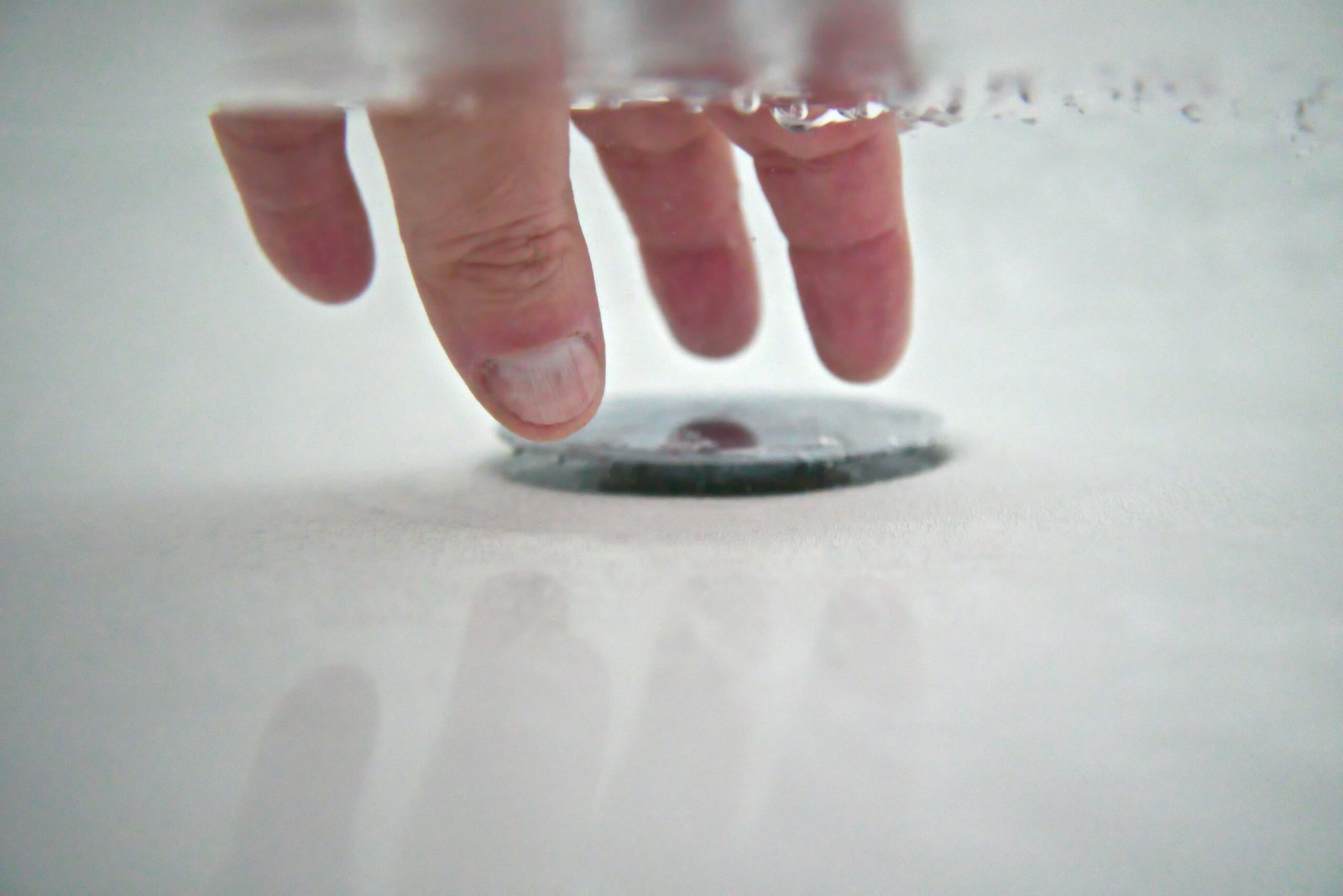
Standing in several inches of soapy, stagnant water during what should be a refreshing shower is one of the most frustrating home maintenance issues. Learning how to get hair out of shower drain assemblies is an essential skill for every homeowner and renter, as hair stands as the primary structural cause of residential bathroom drainage blockages. Human hair sheds naturally during washing, and as strands flow down the drain, they catch on internal crossbars, rough pipe edges, and accumulated soap scum, slowly weaving a dense, water-resistant web.
Many individuals immediately reach for harsh liquid chemical drain openers when water begins backing up around their feet. However, understanding how to get hair out of shower drain channels properly requires recognizing that chemical solutions often cause more harm than good to your plumbing infrastructure. Corrosive liquids generate intense heat through chemical reactions that can warp PVC pipes, corrode metal joints, and melt the rubber seals within your P-trap, all while failing to fully dissolve dense hair blockages.
Whether faced with the frustration of a slowly draining shower floor, a foul smelling stagnant water situation, or even recurring odors from the grate itself, there are both safe and effective removal strategies available. This professional consulting guide details a plan to attack mechanical removal techniques, natural enzymes that break down the blockage, how to properly choose and utilize an extraction tool as well as tips to prevent the problem from occurring in the future. All of this is delivered as written below, strictly as continuous coherent prose paragraphs.
The Physics of Drain Blockages: Why Hair Creates Stubborn Clogs
To master how to get hair out of shower drain lines, one must first understand the internal dynamics of residential wastewater systems. Hair strands possess high tensile strength and a microscopic scaly outer surface known as the cuticle, which contributes to hair structure and properties. As individual hairs pass through the drain grate, these microscopic scales interlock with one another, creating a durable mesh that resists displacement by normal water pressure.
This interlocking hair mesh acts as a net, capturing insoluble body oils, conditioner polymers, skin cells, and soap fats known chemically as soap scum. Over time, these organic materials harden around the hair matrix, filling the air gaps between strands and transforming a loose tangle into a thick, waterproof plug. As this mass grows, it restricts the cross-sectional diameter of the pipe, causing drainage velocity to drop drastically.
Furthermore, the mechanical design of a shower drain contributes directly to where these blockages settle. Most shower drains feature a strainer basket or crossbar assembly near the surface, followed by a vertical drop pipe leading into a curved P-trap. The P-trap is designed to hold standing water to block sewer gases from entering your home, but its sharp bends also create a natural catch point where heavy hair mats collect and settle permanently.
Phase One: Mechanical Removal Techniques Using Hand Tools
The most reliable, immediate approach when evaluating how to get hair out of shower drain openings is physical extraction. Before introducing any liquids or tools, remove the shower drain cover or strainer plate. Some covers lift off easily with a slight twist, while others require removing one or two central screws with a standard screwdriver. Clean any visible hair wrapped around the underside of the grate before looking down into the pipe itself.
When hair clumps just below the drain cover, within your reach. Long nosed pliers, needle nosed pliers or some bent wire clothes-hangers will provide immediate solutions. Place the instrument of choice inside the drainpipe, catch onto the thick clump of hair with a solid grip, and pull straight upward with slow, steady turning. Don’t yank with quick, jerking motions; otherwise the bunch of hairs could break and remain lodged deep within the pipe closer to the P-trap.
For clogs a bit further down the pipe a soft plastic tool, known commonly as a “drain snake” or “zip it tool”, is a valuable asset. You can insert the soft, very flexible plastic strips, with small, back facing hooks, into the drainpipe until it cannot move, turn the handle a few times (until you feel it catching hair fibers with the barbs) and slowly pull it back out so it retrieves the whole clump of hair, intact.
Phase Two: Manual Augers and Deeper Line Clearing
When simple hand tools fail to reach the obstruction, a manual drum auger provides the necessary length and mechanical force. If you are researching how to get hair out of shower drain assemblies where the backup originates deeper down the line, a manual plumbing snake allows you to bypass the shallow neck of the pipe safely. Choose a manual cable auger with a thin, flexible steel cable measuring roughly one-quarter inch in diameter to ensure it navigates sharp plumbing bends easily.
Feed the steel cable into the drain opening by hand until you encounter a firm obstruction, which typically indicates either the P-trap curve or the hair clog itself. Tighten the cable lock screw on the auger drum and turn the hand crank clockwise while pushing forward gently. The spiral bulb tip at the end of the steel cable will screw directly into the tangled hair mass, binding the strands securely to the metal coil.
Once the cable bites into the blockage, slowly pull the auger cable backward out of the pipe while continuing to turn the handle occasionally. You should feel significant resistance as the mass releases from the pipe walls. Continue retrieving the cable until the entire hair web emerges from the drain opening, then discard the material immediately into a trash bag to prevent re-entering the plumbing system.
Phase Three: Natural and Enzymatic Chemical Alternatives
If mechanical extraction leaves behind thin residual coatings of soap scum and fine hair, natural chemical flushes restore pipe interior smoothness safely. When deciding how to get hair out of shower drain lines without damaging sensitive PVC or older galvanized steel pipes, combining baking soda with white distilled vinegar provides a mild, non-corrosive foaming action. Pour one cup of baking soda directly down the open drain, followed immediately by one cup of warm white vinegar.
The chemical reaction when sodium bicarbonate is added to acetic acid generates the release of carbon dioxide gas in the form of a swelling foam that will push greasy soap-scum coatings from inside pipe wall. Cover the drain opening with a damp cloth for 15 to 20 minutes to push expanded gas into P-trap. Finish with a pot of boiling water to wash away loosened debris to main sewer branch.
Enzyme based biological drain cleaners (bacteria cultures produce the appropriate enzyme for what type of waste) can be an excellent alternative for routine cleaning rather than lye-based chemical cleaners (work by producing heat).
It is beneficial to pour the enzyme in drain before retiring for the evening, it will rid drain of human hair keratin, body fats and soaps naturally.
Critical Plumbing Errors: What Not to Do During Extraction
Avoiding dangerous mistakes is just as vital as choosing the correct extraction method when tackling how to get hair out of shower drain issues. The most hazardous mistake is pouring heavy caustic drain openers containing sodium hydroxide or sulfuric acid into a standing pool of backed-up shower water, creating serious plumbing safety risks. If the chemical fails to clear the hair clog, you are left with a basin full of toxic, highly acidic water that poses severe burn risks to anyone who must subsequently repair the pipe manually.
A common mistake made is the use of improvable tools. These can result in the tools breaking in the drain line. Attempting to remove drain blockage by inserting into the drain line either wood skewers or stiff brittle plastic sticks and bent untwisted wire hangers with blunt sharp bare wire will most certainly end up breaking while in the P-trap and/or pierce old lead and copper pipe walls.
Using appropriate tools designed for drain use instead of home improvements supports proper plumbing maintenance and saves significant expense from professional drain repairs.
Do not put a commercial grade motor power sewer drain cleaning tool with thick cables into a residential bathroom or shower drain unless you’ve been professionally trained to operate the tool because the motor power can break thin-walled plastic P-traps, bust loose fittings below ground, and also wedge tightly at internal bar crossings.
Preventative Strategies: Stopping Hair Before It Enters the Pipe
Once you have successfully mastered how to get hair out of shower drain channels and restored fast water flow, implementing preventative measures keeps your pipes clear indefinitely. The single most effective long-term solution is installing a high-quality surface hair catcher or silicone drain protector over your existing shower grate. These mesh caps trap falling hair strands above the drain level, allowing water to pass through while keeping hair accessible for easy disposal after every shower.
It is a useful habit to perform a rapid weekly check on the stand and make sure that the smaller accumulations of strands do not gather together in thick clumps. Once each week, remove the top drain cover and manually remove the strands that settle on the vertical crossbars near the top. A quick hand swipe followed by a rinse with hot water eliminates very heavy soap scum rings on the inside of the pipe, high above the drain.
Last, explain simple preventative measure to others in your house – everyone with long hair should be brushed clean, or pets with hairy coats bathed over the tub, before they step into the shower. If someone washes his/her long hair orbathes a shedding animal in the shower, set aside a paper towel to wipe down loose hairs on the shower stall (floor or walls) after finishing and before you rinse the stall down; this method getsrid of the greater part of all hair going down your wastewater pipes.
In summary, resolving how to get hair out of shower drain blockages requires understanding hair-scum interactions, using mechanical tools like pliers and plastic zip snakes for direct extraction, utilizing manual augers for deep P-trap clogs, applying safe baking soda or enzyme flushes, avoiding toxic chemical cleaners, and maintaining surface mesh hair catchers for permanent prevention.
Frequently Asked Questions
1. Can liquid bleach dissolve hair out of a shower drain?
No, standard household liquid bleach cannot dissolve human hair strands. Bleach can kill mold, bacteria, and sanitize soap scum, but it lacks the chemical ability to break down the dense keratin structure of hair, making it ineffective for clearing hair blockages.
2. Is boiling water safe to pour down plastic PVC shower pipes?
Boiling water is generally safe for modern PVC pipes when poured in moderate amounts mixed with vinegar or baking soda. However, if your home utilizes thin CPVC or older pipe seal joints, using extremely hot tap water rather than rolling boiling water is safer to prevent seal softening.
3. How often should I clean out my shower drain to prevent clogs?
It is best practice to clean surface hair catchers after every shower. For internal drain pipes, performing a quick visual inspection and clearing loose strands every two weeks prevents large hair mats from forming inside the P-trap.
4. Why does my shower drain smell like rotten eggs even after removing the hair?
Unpleasant smells after hair extraction usually stem from accumulated soap scum, body fats, and bacterial biofilm clinging to the pipe walls. Flushing the drain with baking soda, vinegar, and warm water eliminates the odor-causing bacteria.








