


Few moments test a parent’s confidence quite like feeling an unexpected heat radiating from a resting infant’s forehead. When a baby becomes fussy, warm to the touch, or unusually lethargic, anxiety naturally sets in, prompting immediate questions about the child’s underlying physical condition. Learning how to check baby temperature with confidence and technical precision eliminates guesswork, giving parents clear data to decide whether to monitor the infant at home, consult a pediatrician, or seek emergency medical evaluation. Because infants have immature thermoregulation systems and cannot express their discomfort verbally, obtaining an accurate numerical reading is vital to safeguarding their health.
Many caregivers struggle to select the right device or location for measurement, often switching between forehead strips, ear devices, pacifier sensors, and digital stick thermometers. Understanding how to check baby temperature requires knowing which body site delivers the most accurate representation of core body temperature for a child’s specific age group. A reading taken under an armpit, for instance, reflects peripheral skin temperature rather than internal core heat, creating discrepancy when compared against a core measurement. Understanding these physiological distinctions helps parents respond calmly and effectively during late-night health scares.
Mastering home health monitoring demands a practical step-by-step approach that balances device selection, physiological accuracy, proper handling, and age-specific clinical thresholds. This consultant guide breaks down infant fever evaluation exclusively in smooth, informative prose paragraphs without bullet points or numbered lists, leading you through age-based guidelines, thermometer technology comparisons, step-by-step measurement methods, common measurement errors, and critical pediatric thresholds so you can make sound decisions for your infant’s care.
The Physiology of Infant Thermoregulation and Fever Basics
To understand how to check baby temperature effectively, parents must first understand how an infant’s body generates, retains, and dissipates heat. Newborns and young infants possess a higher surface-area-to-body-mass ratio than older children, meaning their skin temperature fluctuates rapidly in response to environmental conditions, heavy clothing, or room temperature changes.
A fever is not a primary illness in itself, but rather a natural immune system response triggered by the brain’s hypothalamus. When the immune system detects an infection, such as a virus or bacterial pathogen, it releases chemical signals called pyrogens that adjust the body’s internal thermostat upward to create an environment less hospitable to invading microorganisms. When evaluating how to check baby temperature, caregivers must distinguish between true pyrogenic fever and environmental overheating, which occurs when an infant is over-bundled in thick blankets or left in a warm room.
Because an infant’s central nervous system is still developing, a sudden rise in temperature can affect overall behavior, feeding interest, and hydration levels. Recognizing that a fever is a protective mechanism helps reframe parent concerns, turning focus away from mere panic and toward systematic monitoring of the child’s actual core temperature, behavioral cues, and fluid intake.
Age-Specific Guidelines and Accuracy Benchmarks
The recommended approach for how to check baby temperature shifts significantly as an infant grows from a newborn into an active toddler. Pediatric consensus emphasizes that age dictates both the chosen measurement route and the clinical significance of the resulting numerical value.
Core temperatures can also be taken rectally, which is particularly useful for children 3 months of age or younger. In young children, the body does not readily store a great deal of thermal heat, and a temperature is very useful in a child less than 3 months of age for determining potential medical causes. Measurement in any child younger than 90 days may indicate a need to see a health care professional, since fever, a sign of potential medical causes, cannot be ruled out easily by peripheral measurements.
Measurement beyond 3 months to 3 years of age at the temporal artery, (forehead) or under the arms (axillary measures) would be considered as reasonable estimates for screening.
Measurements beyond age 6 months could be made at thetympanic temperature (eardrum).
Comparing Digital Thermometer Types and Methods
Parents shopping for home medical equipment often feel overwhelmed by the variety of devices available. Knowing how to check baby temperature accurately starts with selecting reliable, modern equipment and discarding outdated or ineffective tools.
Most inexpensive, accurate, easy to use digital stick thermometers come under this umbrella category. Electronic devices: Use thermistors to take a quick temperature, can be specific for rectal, oral, or axillary temperatures if labeled and clearly separated. Temporal artery infrared scanners: measure infrared radiation that is released by the forehead’s temporal artery, great for a sleeping baby as the device is non-invasive, however sweat or the slightest of movement can throw off results.
Tympanic ear thermometers: estimate the infrared heat from the tympanic membrane (eardrum), an area that shares blood supply with the part of the brain responsible for regulating the body’s temperature, but must be aimed into the ear canal carefully, are not recommended for infants under 6 months of age, as their ear canal will be too narrow, and generally not recommended if excessive ear wax is present.
Glass mercury thermometers should not be used by caregivers at home as there is significant risk of shattering and mercury exposure, as will fever strips that are only able to measure skin surface temp.
Step-by-Step Procedure for Rectal Temperature Measurement
For parents needing to know how to check baby temperature rectally in infants under three months, following a calm, hygienic, and precise procedure ensures safety and comfort. Prepare the area by placing a soft towel over a firm, flat changing table or bed, and gather a clean digital stick thermometer, water-soluble petroleum jelly, and rubbing alcohol wipes.
Clean the tip of the digital thermometer with alcohol, allow it to air dry, and apply a small lubricant coating of petroleum jelly to the silver probe tip to ensure smooth insertion. Lay your baby on their back, gently lifting their legs by holding the ankles, similar to the position used during routine diaper changes. Alternatively, place the infant stomach-down across your lap, placing your hand securely across their lower back to keep them still.
Turn on the digital thermometer and carefully insert the lubricated tip into the anal opening no deeper than one-half to one inch, stopping immediately if you feel any structural resistance. Hold the device securely between your fingers while resting your hand against the baby’s buttocks to prevent sudden movements from causing discomfort or injury. Wait until the thermometer signals with a clear electronic beep, carefully withdraw the device, read the numerical display, record the exact number along with the measurement time, and clean the probe thoroughly with soap and warm water.
Performing Non-Invasive Temporal and Axillary Screenings
When learning how to check baby temperature in older, active infants who resist rectal measurements, master non-invasive screening methods like temporal artery scanning and axillary underarm readings. These procedures offer lower-stress options when monitoring minor illnesses or checking a sleeping child.
To perform a temporal artery scan, ensure the baby’s forehead is dry, free of sweat, and uncovered by hats or heavy hair. Turn on the infrared scanner, place the sensor flush against the center of the forehead, press the scan button, and slide the device smoothly across the forehead toward the hairline before releasing the button. If the baby is sweating, brush the sensor behind the earlobe as directed by the device manufacturer, as evaporation cools surface skin and causes falsely low readings.
For an axillary measurement using a digital stick thermometer, unbutton the baby’s shirt to place the bare metal tip directly against dry skin in the center of the armpit. Gently fold the baby’s arm down firmly against their side to trap body heat around the probe, preventing ambient room air from reaching the sensor. Hold the arm securely until the device beeps; remember that axillary readings typically measure one degree Fahrenheit lower than internal core readings, serving primarily as a preliminary screening tool rather than a definitive core measurement.
Environmental Factors and Common Errors in Temperature Assessment
A major challenge when understanding how to check baby temperature involves recognizing external factors that skew measurement accuracy. Misinterpreting environmental heat gain as an internal medical fever leads to unnecessary worry and improper care decisions.
Taking an infant’s temperature immediately after a warm bath, intense crying spell, active playtime, or prolonged period bundled in heavy fleece swaddles frequently produces falsely elevated numbers. Physical exertion and heavy thermal insulation trap body heat beneath the skin surface, raising temperature readings artificially. If your baby appears warm but is acting alert and energetic, unbundle their clothing, move to a comfortable room, wait fifteen to twenty minutes, and re-check their temperature before making medical decisions.
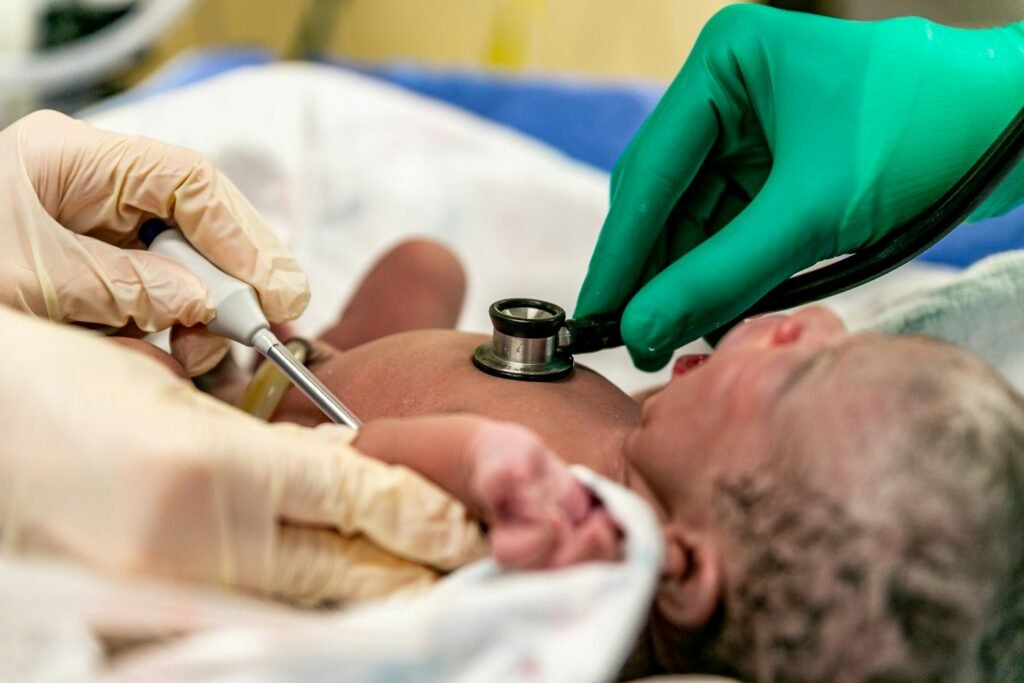
Another frequent error is switching between different measurement sites or devices during a single illness cycle without noting the method used. A rectal reading of one hundred point four degrees Fahrenheit carries a different physiological weight than an axillary reading of one hundred point four degrees. Consistently using the same reliable device, recording the specific measurement route, and logging the exact time of day helps your pediatrician evaluate actual trends over time.
Deciphering Temperature Ranges and Pediatric Medical Thresholds
Once you know how to check baby temperature, interpreting the numeric results correctly is the next essential step. Medical guidelines define a true pediatric fever as a core body temperature of one hundred point four degrees Fahrenheit (thirty-eight degrees Celsius) or higher when measured rectally.
Body Temperature for babies When does my child have a fever? A child’s normal range of body temp is normally about 97.5 ° F (99.5 ° F) to, as well as it will naturally change from day to day with physical exertion and sleep time based on metabolism rate. A temperature in the 99.6 ° F-100.3 ° F spectrum is typically thought about low grade fevers and can take place due to anything such as wearing tight clothing, recent meals and easy metabolic changes that do not requires attention more than close observation.
When a numerical analysis on your thermometer hits the 100.4 ° F marks or surpasses that, the specific plan of action will really depend the age of the baby and how they look physically,.
As for a baby under 3 months of ages, a rectal temperature check this hot is more compared to adequate factor to telephone and call a medical service professional and report your results (even if child looks fine), as well as for kids older then three months, the total amount value checked on the thermometer matters less than signs of stress, your kid’s current hydrating state, whether there is ease of breathing or maybe any noticeable discomfort to the kid’s level of comfort.
When to Seek Immediate Medical Evaluation for Infant Fever
Learning how to check baby temperature must always be paired with evaluating overall clinical signs. A numeric reading is only one part of an infant’s overall health picture, and secondary behavioral warning signs require prompt medical attention.
Seek immediate emergency medical care if an infant of any age develops a fever accompanied by extreme lethargy, difficulty waking up, an inability to make eye contact, persistent unexplained crying, a stiff neck, or a soft spot on the head that appears bulging or sunken. Respiratory distress symptoms—such as rapid breathing, flared nostrils, grunting sounds, or skin pulling in tightly around the ribs—mandate immediate professional evaluation regardless of the exact temperature reading.
Additionally, consult a healthcare provider if a fever lasts longer than twenty-four hours in a baby under two years old, if the fever repeatedly spikes above one hundred and two degrees Fahrenheit, or if the child refuses fluids and produces fewer than three wet diapers in a twenty-four-hour period. Recognizing when behavioral signs outweigh simple home measurement empowers parents to protect their child’s health proactively.
Safe Home Care Strategies and Fever Management Best Practices
After discovering how to check baby temperature and identifying a mild fever in an older infant, focusing on baby fever care keeps the child comfortable while their immune system responds to the illness. Home care prioritizes hydration, comfort, and rest over forcing the temperature down to a specific number.
Maintain a comfortable indoor room temperature between sixty-eight and seventy-two degrees Fahrenheit, dressing the baby in a single layer of breathable cotton clothing. Avoid bundling a feverish baby in heavy blankets or thick sleepers, as trapped heat prevents natural body cooling. Offer frequent breast milk, formula, or small sips of electrolyte solution to prevent dehydration, as elevated body temperatures speed up fluid loss through respiration and sweating.
If recommended by your pediatrician, fever-reducing medications like infant acetaminophen or ibuprofen can help relieve discomfort. Never give aspirin to infants or children due to the risk of Reye’s syndrome, a rare but serious condition affecting the liver and brain. Always use the enclosed dosage syringe or cup rather than household spoons, calculating dosages based on your baby’s current weight rather than their age to prevent accidental underdosing or overdosing.
Common Myths and Mistakes to Avoid in Infant Temperature Care
Caregivers seeking guidance on how to check baby temperature often encounter outdated myths and advice that can harm an ill child. Correcting these misconceptions protects your infant from unsafe practices.
A favorite method for dealing with rapid fever reduction is using a baby in the tub when cold or using rubbing alcohol cloths applied to the skin. Using cold water makes a baby shiver, which actually generates more core heat, arousing the metabolism, and thus turning up the temperature even more. Rubbing alcohol, however, can be absorbed through baby-soft skin or can be inhaled, resulting in poisoning of internal systems, or directly into the blood stream with systemic toxicity.
The third mistake is to view the fever as a dangerous problem which requires immediate treatment.
Unless prescribed by the baby’s MD or if the baby is in considerable discomfort due to high temperature and is treated with medication by the parent for the pain and discomfort then the treatment simply masks valuable information that the fever could represent and may simply prolong the illness. Pay more attention to the baby’s overall comfort level and his fluid intake rather than to how high the thermometer gets when your baby has a temperature.
Frequently Asked Questions
1. What is the most accurate way to check a baby’s temperature?
A rectal digital thermometer reading provides the most accurate measurement of core body temperature in infants, particularly those under three months of age. It measures internal heat directly, remaining unaffected by ambient air temperatures or skin sweating.
2. Is an ear thermometer safe for a newborn baby?
Tympanic ear thermometers are generally not recommended for infants under six months old. Their ear canals are usually too narrow to allow the infrared sensor to align correctly with the eardrum, often leading to inaccurate temperature readings.
3. Should I add a degree to an axillary underarm temperature reading?
Axillary armpit readings typically run about zero point five to one degree Fahrenheit lower than internal rectal core temperatures. While adding a degree was historically common, it is best to report the exact numerical reading and the specific measurement site directly to your pediatrician without altering the number.
4. What temperature is considered a fever in a baby?
A baby has a fever when their core body temperature reaches one hundred point four degrees Fahrenheit (thirty-eight degrees Celsius) or higher when measured rectally. Readings below this threshold are generally considered normal fluctuations or mild elevations.








