

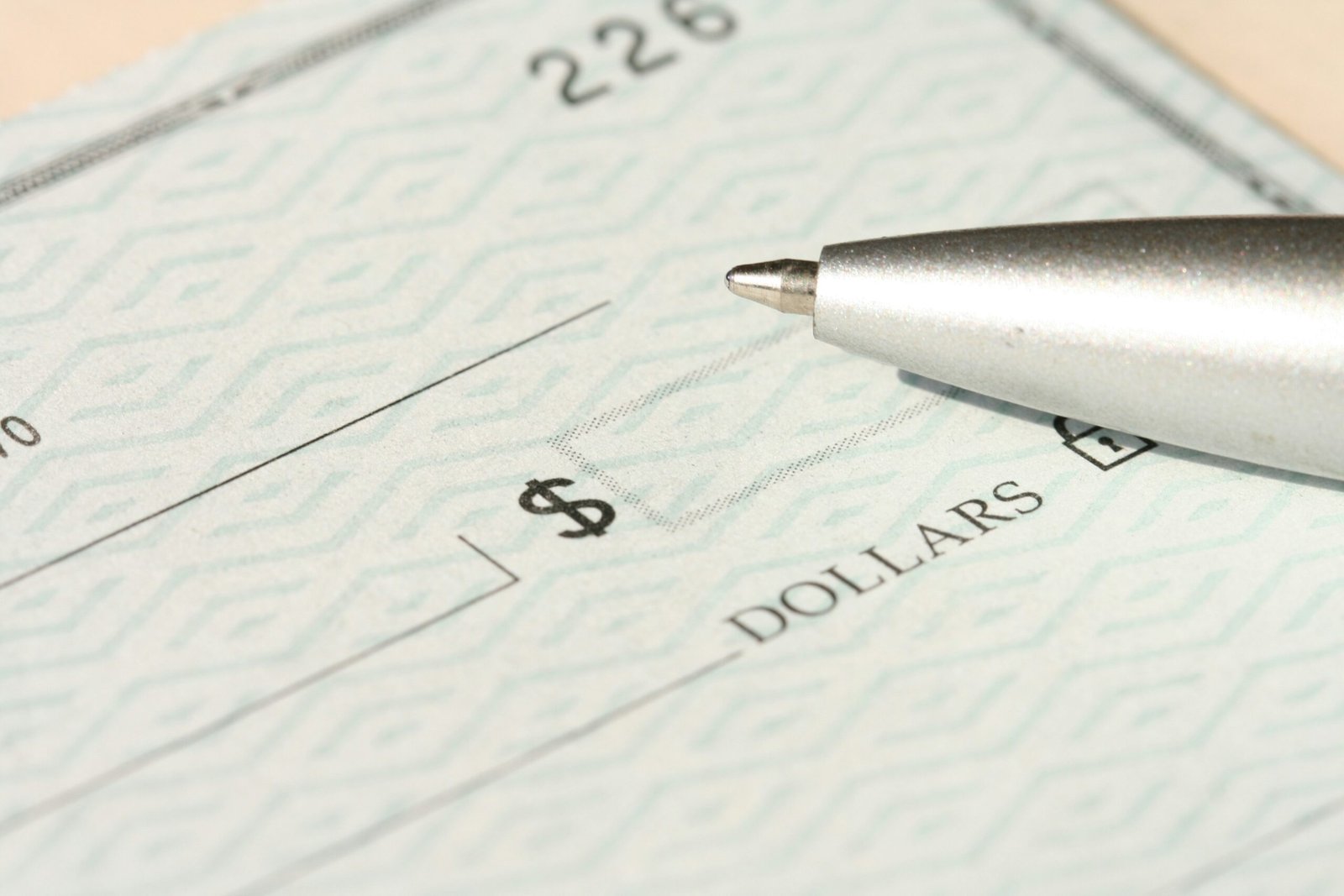
Most of us assume that writing a check is fairly simple: fill in the figure, write your name, and pass it along to your payee. Where things start getting messy is if the check goes to your bank and that bank is then unable to cash the check because you haven’t got the funds to do so.
If you are wondering what happens if a check bounces, the short answer is that the payment does not go through, and additional consequences may follow. A bank can charge a returned-check or overdraft-related fee, the recipient may charge a fee or request another form of payment, and an unpaid check can become more serious if it is left unresolved.
Fortunately, a bounced check doesn’t need to be a deal-breaker. For instance, if the bounced check was because of a little mix-up in scheduling, a honest, account-balance error-or an account closed a month ago, by someone other than you, a solution is typically available. The key is to respond promptly, communicate with the party you wrote the check to, and know exactly what fees your bank is hitting you with.
What Does It Mean When a Check Bounces?
Bounced checks happen when a bank can’t fulfill the transaction amount after someone has deposited or cashed your check. If you’re wondering what happens if a check bounces, rather than giving cash to the person you’re paying, the bank returns the check without any funds being exchanged. The most common reason that a check bounces is insufficient funds.
Lets say youwritea $900 check but only $500 in your checking account. Assuming you don’t deposit $400 before this check comes through, the bank may reject the transaction.
There are other circumstances where a check can be returned, too. It might be returned because an account has been closed, if a stop payment was placed, or because there’s an error on the check. How the process works really depends on the banks involved, the terms of the account and how the transaction was handled.
A quick definition
A bounced check occurs when a bank does not pay out on a check that it received by the check writer who, in effect, did not have the money to complete that transaction. The check writer can be charged bank fees, and the check recipient won’t get paid the money they thought they were going to get and will have more costs.
Why Do Checks Bounce?
Insufficient funds are probably the situation most people associate with a returned check, but they are not the only possibility.
Not enough money in the account
This is the original version. The balance in your account is less than the value of the check at the time that the bank tries to complete the transaction.
This is where it gets tricky: your available balance in your account and your actual account balance aren’t always the same amount. It’s possible that a pending check card payment, an unposted balance from holds, or that not all of a posted deposit has completely ” cleared” or it is something else.
One individual might think they have plenty in their account while a bank transaction might conclude they don’t!
A deposit has not cleared
What happens if I deposit $2,000 into my account and at the same time I write a check for $1,500? The bank may return the $1,500 check due to insufficient funds if the money I have just deposited hasn’t cleared the account before I write the check and present it at the bank.
The account was closed
Your bank will generally refuse to cash a cheque written on a closed account. Typically, the bank of the person to whom the cheque is issued will refuse the payment. This can be much more stressful than being overdrawn as questions arise why the account was closed and also whether you were knowingly writing a cheque with a closed account.
A stop-payment order exists
The account holder may notify the bank with an instruction to stop payment on a check. When the bank is presented with that check, it might refuse to pay. Sometimes a stop payment is proper – maybe you lost or a check – but it can certainly lead to trouble when someone else you have written the check thinks you still owe them money.
Incorrect or problematic check information
Check processing errors may occur, resulting in the check being rejected because of signature problems, missing or improper account information, unauthorized alterations, or other irregularities. Depending on the issue, the bank or processor may reject the check.
Not all returned checks indicate that the person who wrote the check did not have sufficient funds.
What Happens to the Person Who Wrote the Check?
If a check comes back, there are a couple of scenarios for the person writing the check: Understanding what happens if a check bounces can help you know what to expect next.
A bank fee: Banks have their own internal guidelines and agreement with the account holder that might penalize a returned item with a fee. A bank might also consider it an “overdraft-related activity” in some specific situations. You cannot tell the actual value of a bank fee as they have different charging strategies, and account agreements often protect people by either guaranteeing the fee isn’t triggered or it’s waiver for some reasons that differ depending on the account type.
Contact with notification: Someone could simply contact you, knowing the item has been returned, and inform you that they need a new payment, now and on time.
Let’s say you wrote a check to cover your rent, a payment to a home contractor, or the repayment for a private personal loan. When the check “bounces” (meaning there was not enough money in your account for it), the payee (the person you paid with the check) could turn back to you and ask for another check or to send the money via another method (like an electronic bank transfer, or using an app).
What Happens to the Person Who Received the Check?
The payee is not out the money forever although inconveniences and potential extra costs are incurred. The payee bank may record that it has credited that amount to their account when they deposit the check, but that does not mean the funds will not bounce back and the payment bereversed. That is why anyone accepting a check should not treat funds deposited as though those funds can be relied on instantly.
A returned check can create several problems for the recipient:
- The expected payment is not actually received.
- The deposited amount may be reversed.
- Their bank may charge a fee in some circumstances.
- A bill or other obligation may remain unpaid.
- They may need to contact the check writer and arrange replacement payment.
The practical effect depends heavily on how quickly the problem is discovered and corrected.
Can a Bounced Check Affect Your Credit?
One bounced check won’t necessarily tank your credit. Knowing what happens if a check bounces is important because credit reports mainly are about things like credit accounts, payment activity, debts in collections, and any other credit reportable information. Bouncing a check isn’t the same as missing a minimum payment.
The more serious consequences can come about if the amount owing subsequently goes to collection or a reportable debt-related event is created-for example, if a check is written to pay a bill, that check bounces, and that original bill is still outstanding. If the account goes to collection and the collection becomes reportable, as applicable under relevant laws/rules this also would generate credit implications.
The lesson is simple: the returned check and the underlying unpaid debt are two separate issues.
If the check was simply an accidental payment problem and you replace the funds promptly, the consequences may be limited to bank or recipient fees.
Can You Be Charged a Fee for a Bounced Check?
Yes. Returned check fees can occur, but what those fees can vary based on which banks are involved. When considering what happens if a check bounces, your bank may collect a returned item fee (or another account fee); the recipient’s bank could collect a fee as well. Additionally, the person or business to whom the check was written may have contractual authority to collect a returned payment fee on a bad check that complies with governing agreements and law.
Therefore, a single bounced check can cause a multitude of financial expenses.
Here is one common situation: You’ve written a check for $400, but it is returned for insufficient funds, and your bank’s return fee and the recipient institution or merchant’s legally prescribed returned payment charge both assess this to you. Your costs for “rectification” involve the original $400 as well as the charges. You will have already altered nothing concerning the face amount; only the actual expenditure has become multiplied by error recovery.
What Should You Do After a Check Bounces?
The best response is usually fast and practical.
1. Check your bank account
First, determine why the payment failed.
Look at the account activity and available balance. Check for pending transactions, deposits, fees, or other withdrawals that may have affected the payment.
Do not assume that the problem was simply “not enough money” until you know what happened.
2. Contact your bank
Find out why the check was returned, if there was any fee imposed.
If the situation was due to an unexpected transaction, deposit delay, or any other anomaly, ask if there is anything you are required to do to restore the account back to right footing.
If the issue was caused by the bank itself, you might want this documented and rectified as soon as possible.
3. Contact the recipient
If there is a way to know exactly who was the check addressed to, talk to them rather than wait for them to contact you. You’ll then have to follow up with the recipient yourself and let them know what happened, A good starting point is to say, “The payment was returned to me, and I’ll make the needed corrections,” then keep the process to a few simple steps. The receiver will probably be way more willing to compromise with you.
4. Replace the payment
Use a form of payment the payee accepts. It could be writing a second check after verifying money is available, sending an electronic payment, or any other agreed-upon form. Don’t just write the same payment to pay a bounced check without investigation.
5. Keep records
Save confirmation of the replacement payment, receipts, emails, messages, and bank records.
This becomes especially useful if there is later disagreement about whether the amount was repaid.
Should You Deposit Money and Wait for the Check to Clear?
Just because you deposit money and correct the balance after an insufficient funds check has been returned does not mean the old check has now been processed.
Don’t automatically assume that an old, returned check will be processed on re-deposit. Some people and businesses may try again, others will call you to try to receive payment otherwise, and if you intend to solve it, call them to see what they plan to do instead.
What If the Same Check Is Deposited Again?
A payee can re-deposit a returned item Sometimes depending on the specific situation and the bank rules, a payee may choose to redeposit a returned check. When considering what happens if a check bounces, after you have supplied enough money, the check may clear on the second presentment if there are no other factors leading to its return. It can be dangerous to just wait for a deposit.
You could put enough money in to cover the check, and have other transactions come through to cause you to go below adequate coverage before the check is presented to you a second time.
If your account balance reaches enough and $1000 with your$750 outstanding with and another auto debit wipes out anything until below sufficient cover before the check is presented again. If payee indicates a preference for alternative payment, honor that before you just redeposit the original check.
What Happens If You Ignore a Bounced Check?
Simply ignoring this issue can escalate a small error into a larger battle. Understanding what happens if a check bounces is especially important when the creditor might send you notice and demand payment or send reminders, your business may impose allowed bounced-check fees or consider whether unpaid debt might then lead to your account being subject to collection action or a civil suit depending on local state laws and your situation, and there’s distinction between merely writing an accidental bounced check and intentionally writing a bad check.
Laws are also specific to states as the penalties of writing bad checks and circumstances can result in civil as well as criminal issues depending on specific laws in that state, the state and circumstances, amount at issue and notice requirements among other factual matter.
You cannot rely on explanations about bad check laws online as law and practices are different throughout the states.
If it comes to serious amounts of money, a formal demand or legal notice, consider speaking with competent council in your locale.
What If You Accidentally Write a Check Without Enough Money?
Accidents happen. Maybe you received your payroll a few days late, a bill automatically withdrew from your account much sooner than anticipated, or you simply under-budgeted for a while. If you’re wondering what happens if a check bounces, an accidental returned check is not a cause for a criminal charge.
Best Bet: Fix It ASAP The best thing you can do is fix the problem financially as soon as you can.
Deposit enough money into the account so it is sufficient, then contact the recipient and make arrangements to get them substitute payment. You can also inquire whether the bank can waive any fees assessed for the bounced check, especially if you maintain a solid relationship with them. The bank does not have an obligation to waive the fees, but it is certainly not going to cost you anything to ask. More Importantly, Find the Cause A missed mistake is one thing, but if it repeats itself, you’ve got a different kind of problem.
Common Mistakes to Avoid
Several responses can make a returned check more troublesome than it needs to be.
Ignoring calls or messages
Avoiding the recipient rarely makes the obligation disappear. Communication gives you an opportunity to explain the situation and establish a clear repayment plan.
Issuing another check immediately
Writing another check before confirming available funds can produce a second returned payment.
Make sure the underlying problem has actually been corrected.
Assuming a pending deposit is available
A deposit appearing in your account does not necessarily mean every dollar is immediately available for withdrawal. Check your bank’s available-balance information and deposit terms.
Spending money that is needed to cover the replacement payment
Once you know a payment needs to be replaced, treat that amount as committed until the obligation is settled.
Assuming one returned check automatically ruins your credit
A bounced check and a negative credit-reporting event are not the same thing. Problems can arise if an unpaid obligation progresses further, but a single returned check is not automatically a credit-score disaster.
Special Situations That Need Extra Attention
Some circumstances deserve more caution than a straightforward insufficient-funds situation.
A check was stolen or forged
If you did not write or authorize the check, contact your bank promptly. Do not treat an unauthorized check as an ordinary bounced payment.
The bank may have specific procedures for reporting fraud or unauthorized transactions.
The account was closed
If a check was drawn from a closed account, contact the relevant bank and determine why the payment was issued from that account. You should also address the unpaid obligation with the recipient.
A large payment is involved
The higher the amount, the more important it is to document communications and payment arrangements.
If a dispute develops, written records can help establish what happened and what was agreed upon.
You receive a legal notice
Do not ignore a demand letter, court document, or other formal legal communication concerning an unpaid check.
The deadlines and available defenses can vary considerably by jurisdiction.
How to Prevent Checks From Bouncing
Prevention is easier than fixing the problem later.
Before writing a check, look at your available balance, not just the balance you remember from a previous transaction.
Keep track of automatic payments and pending purchases. If you regularly use checks, maintain a simple record of outstanding checks so you know how much money has already been committed.
It can also help to keep a modest financial cushion in your checking account rather than operating at exactly the amount needed for scheduled payments.
Online banking alerts are another useful tool. Many banks allow customers to receive notifications about low balances, deposits, withdrawals, or other account activity.
These habits do not eliminate every possible problem, but they reduce the chance that an overlooked transaction will cause a payment problem.
Final Takeaway
If you are asking what happens if a check bounces, the immediate issue is that the intended payment has not been completed. Depending on the circumstances, you may face a bank fee, a returned-payment charge from the recipient, or an unpaid obligation that still needs to be settled.
The most intelligent reaction will be to understand why check bounced back, then contact with bank, contact with pay-person & quickly arrange the re-payment to pay-person. Knowing what happens if a check bounces can help you respond quickly, as far as possible, to clarify that your mistake happened only once and never be a massive amount to let you worry about that.
The bigger crisis should occur when ignored the returned checks are at bank, the unpaid debts would be turn to overcharge, debt collection, disputes, or even litigations. Acting quickly, maintaining accurate records, and communicating clearly usually prevent a bounced check from turning a small issue into a major problem.








